
When I first started paying attention to my calorie intake, snacks were the hardest part to adjust. Meals are easy to plan, but snacks? They usually happen in those random little pockets of the day—during a Zoom meeting, while driving, or when boredom strikes at 11 PM.
And if you’re anything like me, grabbing the wrong snack doesn’t just blow your calorie budget—it can snowball into a full day of overeating.
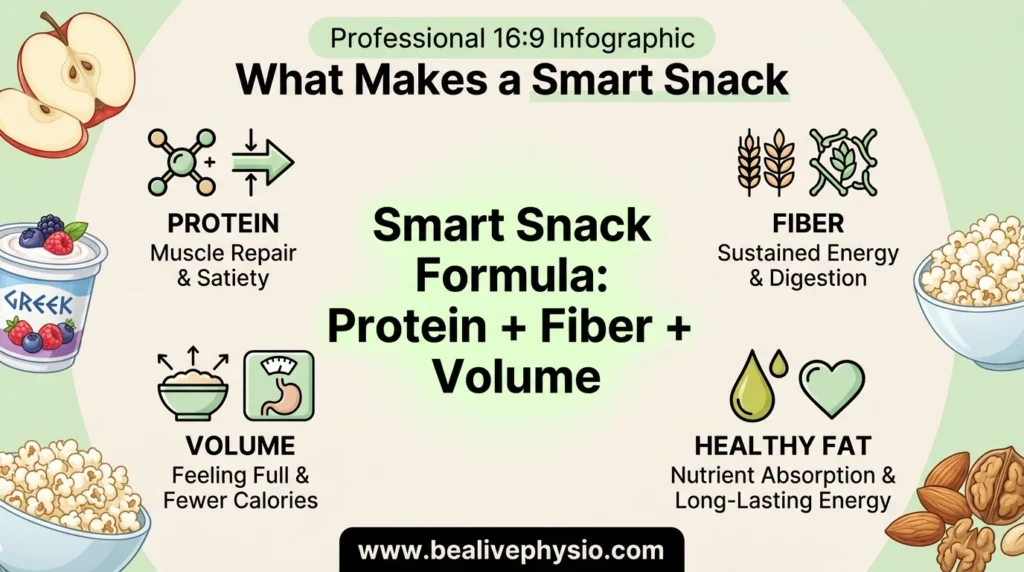
Through trial, error, and a lot of label reading, I discovered that snacking smart doesn’t mean eating bland food or tiny portions. You can absolutely eat delicious, satisfying snacks without exceeding 200 calories. The key is choosing foods that deliver volume, protein, fiber, or healthy fats—not just sugar.
Below is a complete, practical, experience-backed guide that I wish I had when I started.
Why 200 Calories Is a Sweet Spot
A snack should hold you over, not replace a meal. Based on what dietitians recommend and what I’ve personally tested, 100–200 calories is the perfect window:
- Enough energy to prevent a blood sugar crash
- Easy to fit into almost any calorie goal
- Allows room for two snacks per day if needed
- Flexible for portion control
Exceeding that easily happens—especially with packaged foods that hide calories in small servings. That’s why I started sticking to snack ideas that naturally land under 200 calories (no math needed).
Smart Snacking Rules I Learned the Hard Way
Before the snack list, here are the practical rules that changed everything for me:
1. Never trust “healthy-looking” foods
Granola bars look innocent, but can easily hit 350 calories with added sugar. The same goes for “organic” or “protein” snacks. Always check the label.
2. Snacks should have a job
Either:
- keep you full,
- satisfy a craving,
- or bridge the gap between meals.
Mindless munching leads to overeating—always.
3. Volume is your friend
High-volume, low-calorie snacks trick your brain into thinking you ate more. Popcorn and berries are my personal go-tos.
4. Pre-portion everything
The first time I ate “just a handful” of nuts… it turned into almost 500 calories. Now I weigh or pre-bag them.
5. Protein makes a huge difference
If I’m hungry—not just bored—protein keeps cravings from coming back 20 minutes later.
Satisfying Snack Ideas Under 200 Calories
These are snacks I’ve tested in real life—during work, travel, gym days, and those lazy weekends when meals get delayed.
Calories may vary slightly by brand, but I’ve included safe ranges so nothing crosses the 200 mark.
1. Greek Yogurt + Honey (150–180 calories)
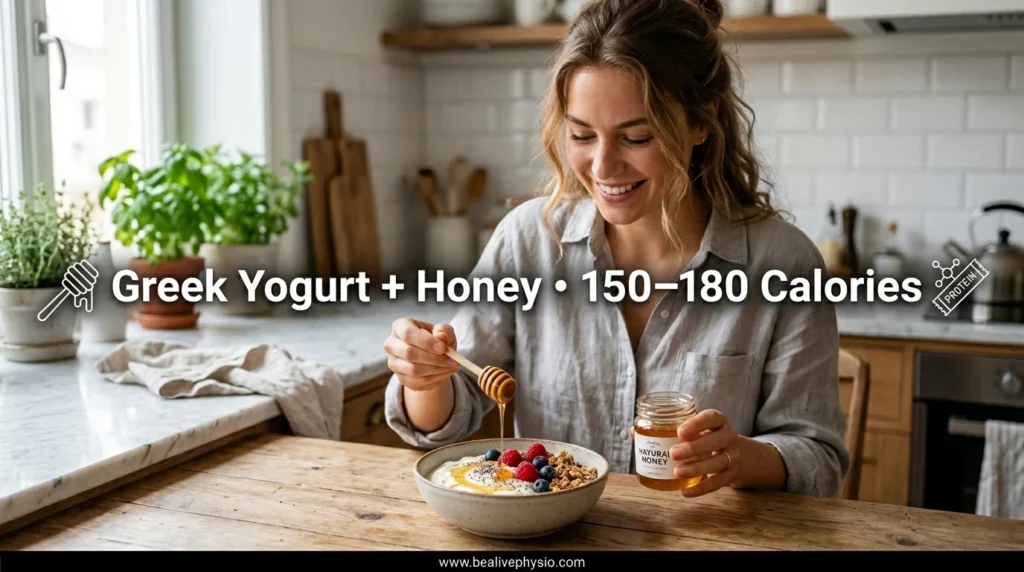
This combo saved me during afternoon energy crashes. Choose:
- ½ cup plain Greek yogurt
- 1 teaspoon honey
- Optional: sprinkle cinnamon
Why it works:
It’s creamy, slightly sweet, and the protein helps you stay full longer.
2. Apple + 1 Tablespoon Peanut Butter (180–190 calories)
A perfect balance of fiber + healthy fat.
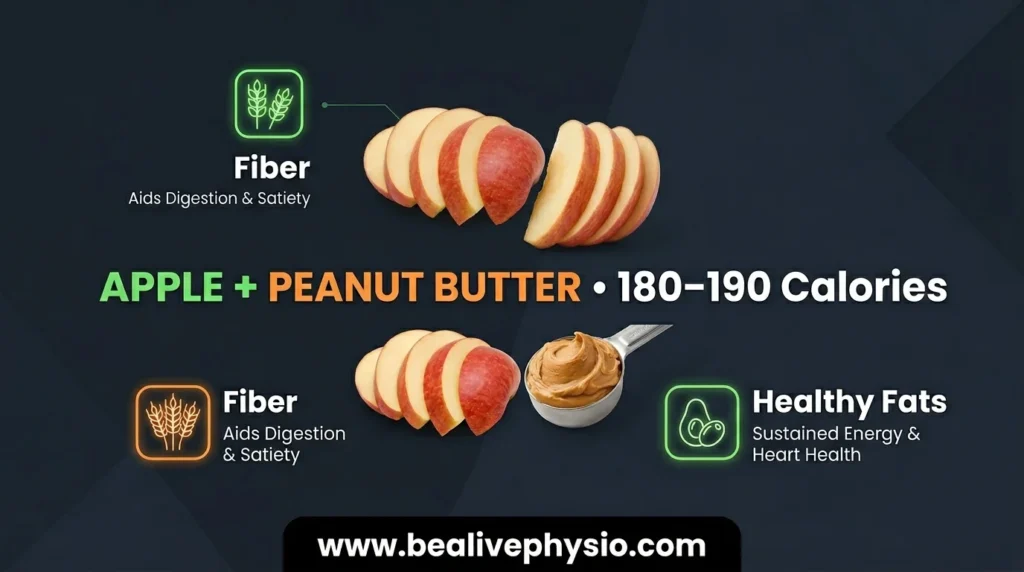
My experience tip:
Use a tablespoon, not “two quick spoonfuls”—I accidentally turned this into a 350-calorie snack many times.
3. Air-Popped Popcorn (3 cups, 90–120 calories)
Popcorn is pure volume. When I need something crunchy at night, this prevents me from raiding the entire pantry.
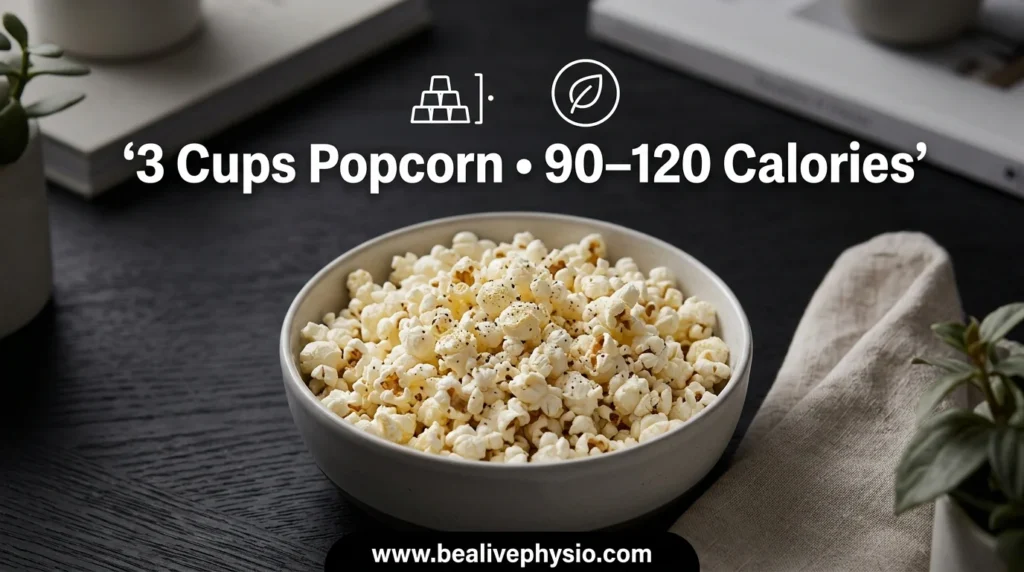
Try seasoning with:
- smoked paprika
- lemon pepper
- nutritional yeast
Avoid bagged microwave popcorn with oils—it skyrockets calories.
4. Protein Shake (120–180 calories)
On busy workdays when lunch gets delayed, this is my lifesaver.
Use:
- 1 scoop whey or plant protein
- Water or unsweetened almond milk
Crucial tip:
Avoid blending with full-fat milk unless you want a 300+ calorie drink.
5. Cottage Cheese + Pineapple (150–170 calories)
A surprisingly refreshing combo. Great post-gym snack.
6. Hard-Boiled Eggs (2 eggs ≈ , 140 calories)
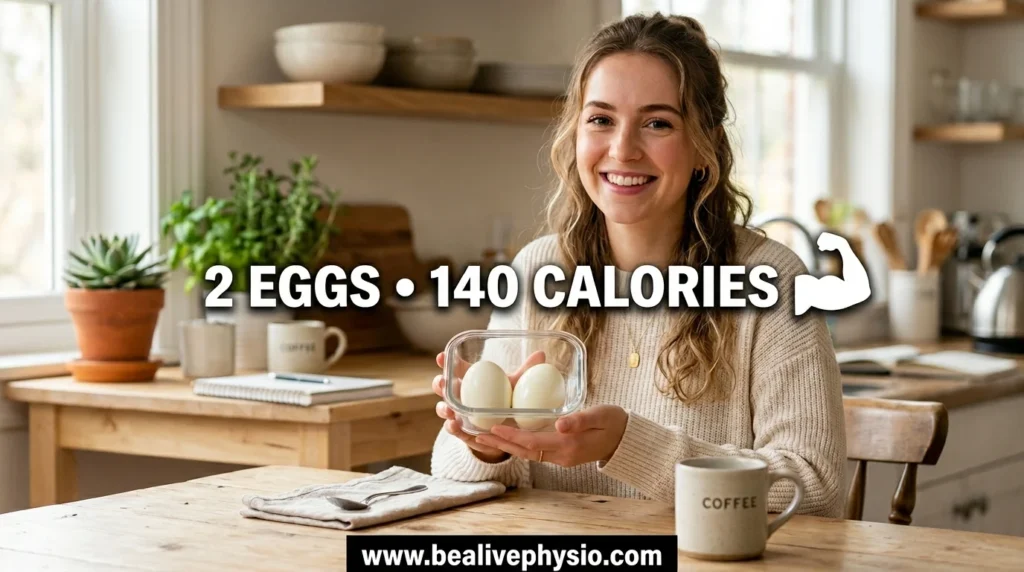
Sprinkle salt, black pepper, or chili flakes.
If you’re heading out, keep them in a small airtight container so the smell doesn’t escape (learned that the embarrassing way).
7. Hummus + Veggie Sticks (150–180 calories)
Good for salty-craving moments.
Stick to:
- 2–3 tablespoons hummus
- Carrots, cucumbers, bell peppers
Perfect for lunchbox-style meal prepping.
8. Dark Chocolate + Almonds (180–190 calories)
When you want something indulgent, not diet food.
Portion:
- 10 almonds
- 1–2 squares dark chocolate
This saved me from bingeing on entire chocolate bars many times.
9. Rice Cake + Avocado (150–170 calories)
Light but satisfying.
Mash ¼ avocado on one rice cake. Add lemon and chili flakes.
10. Banana + 1 Tablespoon Almond Butter (180 calories)
A quick on-the-go snack before a walk or workout.
11. Homemade Trail Mix (Under 200 calories)
Most store-bought mixes are calorie bombs. Make your own using:
- 10 peanuts
- 5 raisins
- 5 dark chocolate chips
- 1 walnut half
This tastes like a treat without the 500-calorie trap.
Snacks That Feel Like “Junk Food” But Stay Under 200 Calories
These are perfect for cravings, so you don’t feel deprived.
1. Low-Calorie Ice Cream Cups (120–180 calories)
Brands like Halo Top or Yasso have single-serve cups.
Great substitute for late-night ice cream cravings.
2. Mini Pizza Toast (180 calories)
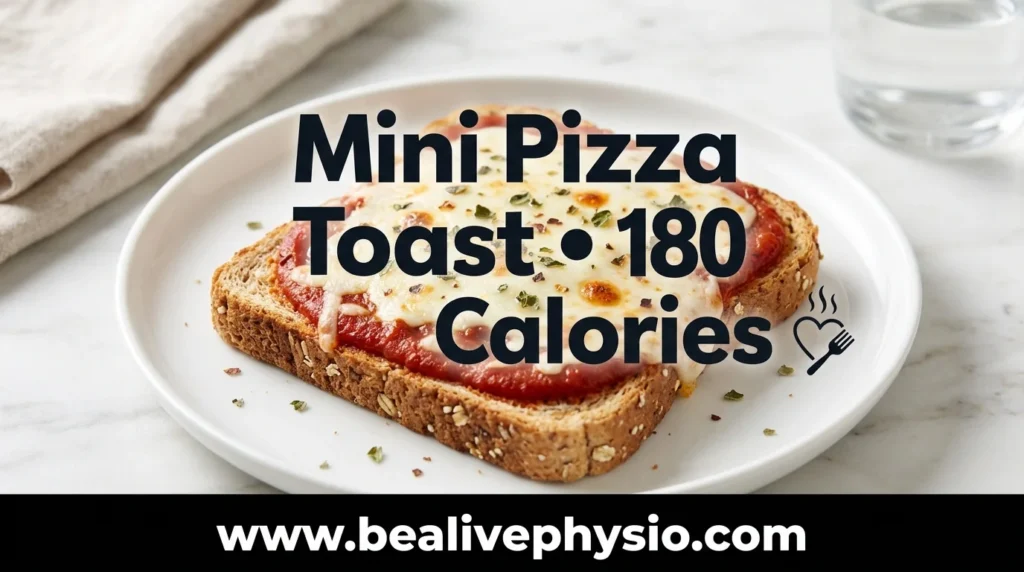
This one feels like comfort food:
- 1 slice whole-grain bread
- 2 tablespoons marinara
- ¼ cup low-fat mozzarella
Toast until cheese melts. Perfect for evening hunger spikes.
3. Tortilla Chips + Salsa (150–180 calories)
Portion control is key—count out 10–12 chips.
I use a small bowl to avoid finishing the bag.
4. Frozen Yogurt Bark (Around 150 calories per serving)
Spread Greek yogurt on a tray, top with berries, freeze, and break into pieces.
A healthier, high-protein alternative to chocolate bark.
Snacks I Stopped Eating (Because They Ruined My Calories)
Sharing these so you avoid my mistakes:
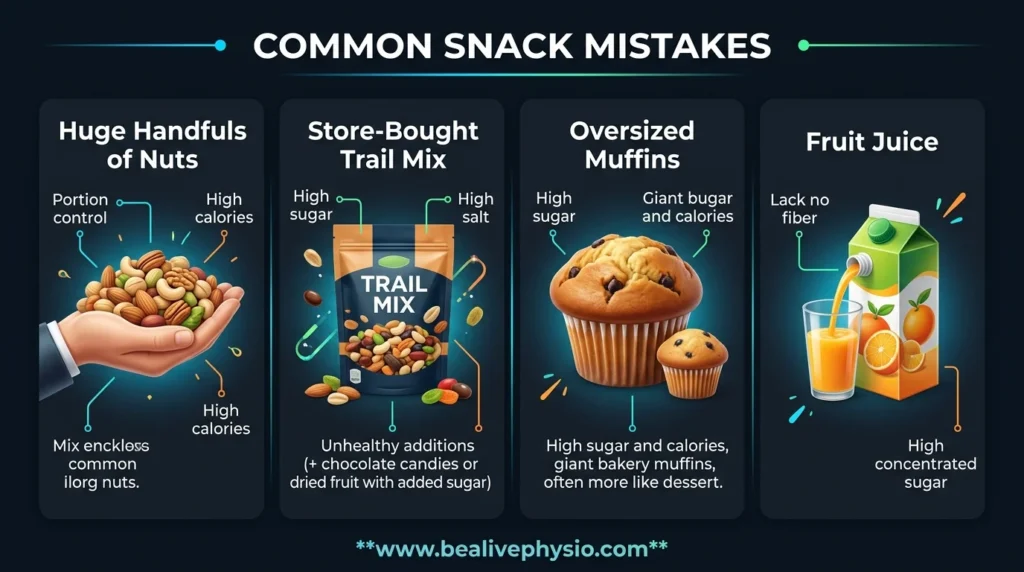
Trail mix packets
A single “healthy” packet hit 420 calories. Shocking.
Bakery muffins
Even small ones are around 350–500 calories.
Fruit juice
Sounds light, but 1 glass can be 180–220 calories with no fiber.
Energy bars.
Most are disguised candy bars.
Avoid unless you check labels carefully.
How to Build Your Own Under-200-Calorie Snacks
Here’s the method I now use when creating new snack ideas.
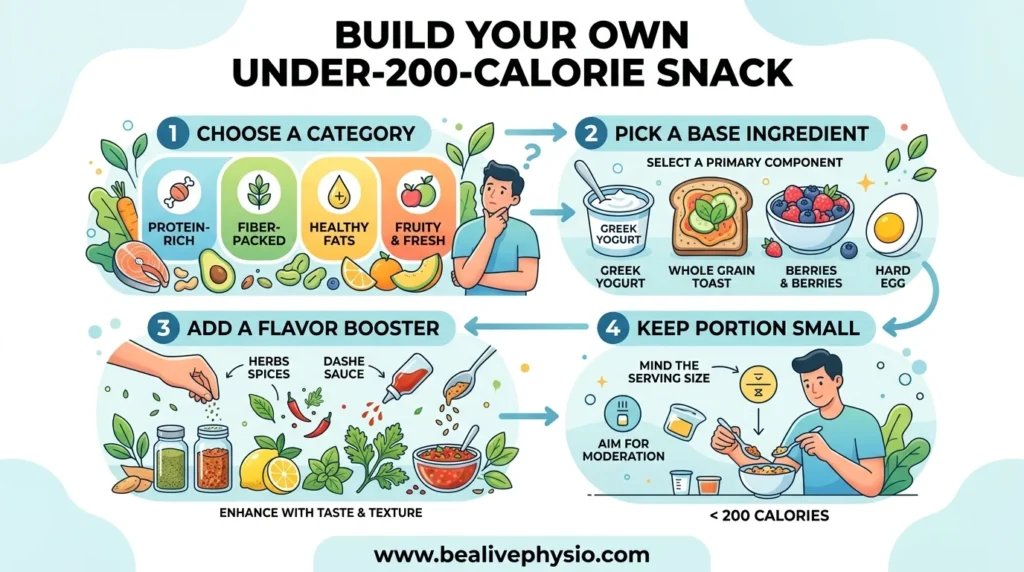
Step 1: Pick your category
Choose one:
- Protein
- Fiber
- Healthy fats
- Low-calorie volume
Step 2: Pick ONE base ingredient
Examples:
- Greek yogurt
- Egg
- Popcorn
- Fruit
- Nuts (small portion)
Step 3: Add one “flavor booster”
Examples:
- cinnamon
- honey
- spices
- berries
- hummus
Step 4: Keep the total to 1–2 ingredients max
More ingredients = more calories.
Tools I Actually Use For Smart Snacking
Not sponsored—just what has genuinely helped me stay consistent.
Digital kitchen scale (e.g., Renpho or Etekcity)
Prevents “handful” disasters with nuts or chocolate.
Glass meal-prep containers
Perfect for portioning hummus, fruit, and popcorn.
MyFitnessPal / Cronometer
When I want to double-check calorie estimates.
Popcorn maker
Air-poppers are worth it if you love crunchy snacks.
Frequently Asked Questions (FAQs)
If they contain protein or fiber, yes. Popcorn, yogurt, and eggs work best for long-lasting fullness.
Absolutely. As long as your total daily calories stay within the goal.
Popcorn, yogurt, or banana with almond butter—depending on your craving (sweet or crunchy).
Yes, but pairing it with protein (yogurt, cottage cheese) keeps you fuller.
Pre-portion everything. Never eat directly from a bag or box.
Final Thought
Snacking doesn’t have to sabotage your goals. With a little planning—and realistic portion sizes—you can enjoy snacks that taste great, keep you full, and fit effortlessly into a healthy lifestyle. I’ve used all of these ideas myself, and once you get the hang of choosing smarter ingredients, staying under 200 calories becomes second nature.