
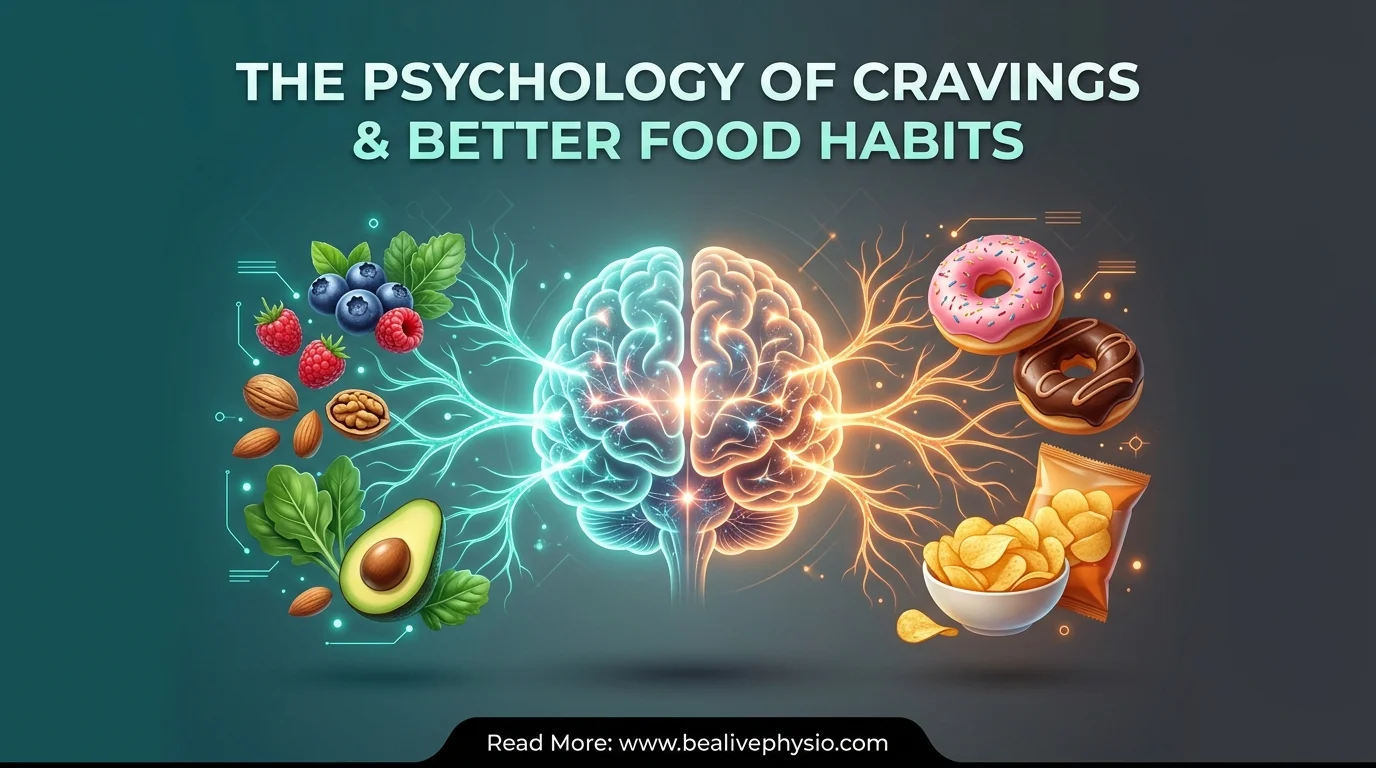
Most people assume cravings are about willpower. If you can just “be strong,” you’ll avoid that chocolate bar. If you fail, you just weren’t disciplined enough.
That’s the story we’re taught—but after helping people improve their nutrition for years, I can tell you with total confidence: cravings are not a willpower issue. They’re a brain design issue.
Your brain runs psychological scripts—patterns built from childhood, stress, sleep, emotions, and even your digital environment. If you understand these patterns, you can finally stop fighting yourself and start building food habits that actually last.
This article dives into the deeper psychology behind cravings, with real examples, practical steps, and the same strategies I’ve tested with clients, friends, and even myself. Nothing here is theoretical. These are approaches people actually use daily.
Let’s break it down in a way that feels like someone is talking to you, not lecturing you.
Why We Crave Food: The Real Psychological Triggers
Cravings usually appear when your brain is trying to solve a problem quickly. The problem could be stress, fatigue, boredom, anxiety, or even dehydration.
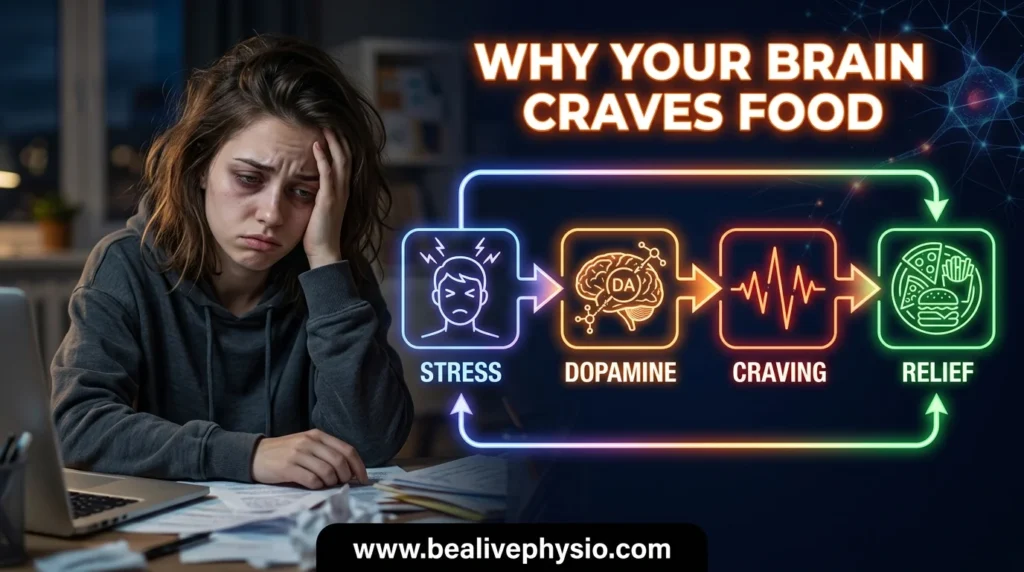
1. Emotional Associations (The reward loop)
A client of mine used to crave ice cream every night around 9 pm. It wasn’t the ice cream. It was her “me-time ritual” after a stressful job.
If you grew up using food as comfort, your brain still sees it as emotional medicine.
The brain learns: Stress ➝ Sweet food ➝ Relief.
2. Sensory memory (Your brain remembers tastes vividly)
You might walk past a bakery, smell fresh bread, and suddenly want carbs—even if you weren’t hungry a minute ago.
Your brain stores flavor experiences like little bookmarks and replays them at the perfect (or worst) time.
3. Decision fatigue (Too many choices lead to bad choices)
If your entire day drains you, your brain switches to “easy mode.”
And the easiest foods are usually hyper-palatable: chips, cookies, fast food.
4. Restrictive dieting (The forbidden food effect)
When you cut something out completely, your brain starts obsessing about it.
This is why most strict diets fail.
5. Environmental cues (Your space influences your cravings)
If your snacks are always on your desk, don’t blame your discipline.
Blame your environment triggers.
What Happens in Your Brain When You Crave Something
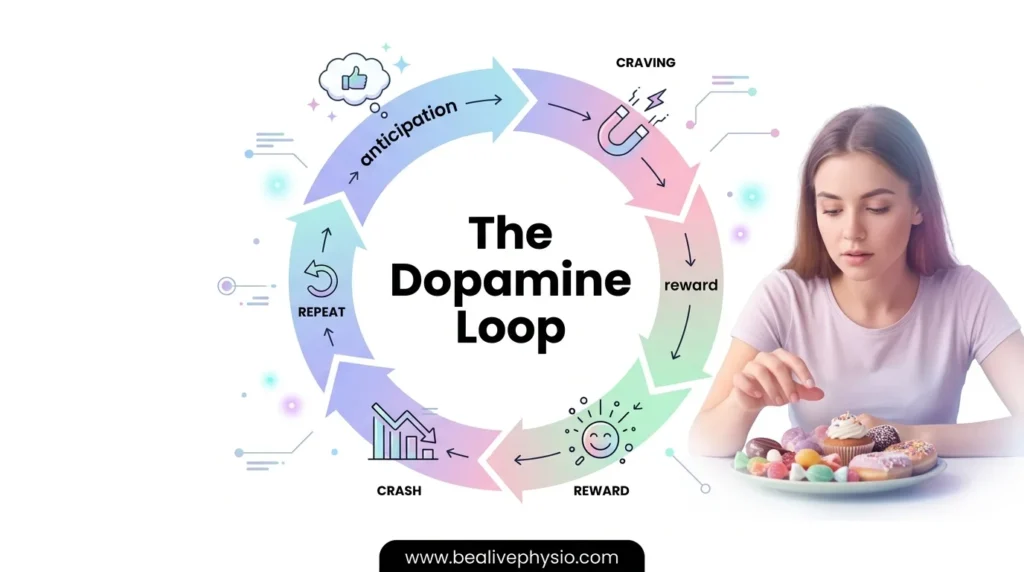
Cravings activate a dopamine response—not because of the food itself, but the anticipation of eating it.
Dopamine spikes → you feel pulled toward the food → after eating, dopamine drops → you feel guilty or sluggish.
This cycle is the reason many people say:
“I know I shouldn’t eat it, but I still want it.”
Nothing is wrong with you. Your brain is simply wired to choose quick rewards over long-term goals.
That’s why the real solution is not force—it’s strategy.
How to Build Better Food Habits Without Feeling Restricted
Below are practical strategies tested in real life, not textbook theories. I’ll break them down step-by-step so you can actually implement them today.
1. Identify Your Craving Pattern (5-Minute Method)
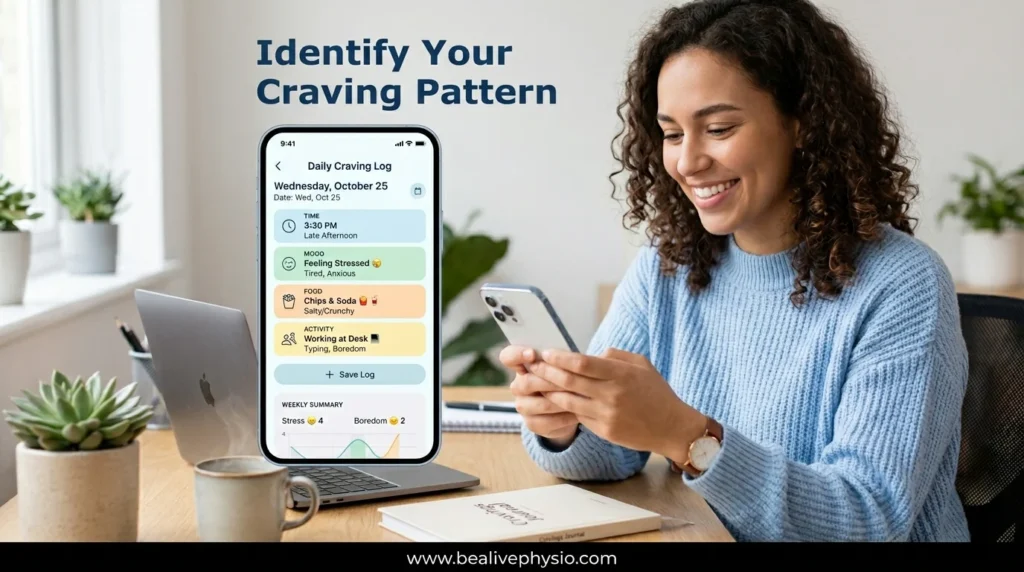
Before changing habits, you have to know your “craving fingerprint.”
Use a simple note app (Google Keep, Notion, or even a smartphone memo).
Every time you crave something, log four things:
- What food did you crave
- What were you doing
- How were you feeling
- Time of day
Most people uncover patterns like:
- “I crave salty snacks every time I’m preparing tomorrow’s work.”
- “I want sweets when I feel lonely.”
- “Night cravings hit when I’m watching Netflix.”
This awareness alone cuts cravings by 20–40% because the brain hates it when you expose its habits.
2. Build an Environment That Helps, Not Hurts
Your environment either fights you or supports you.
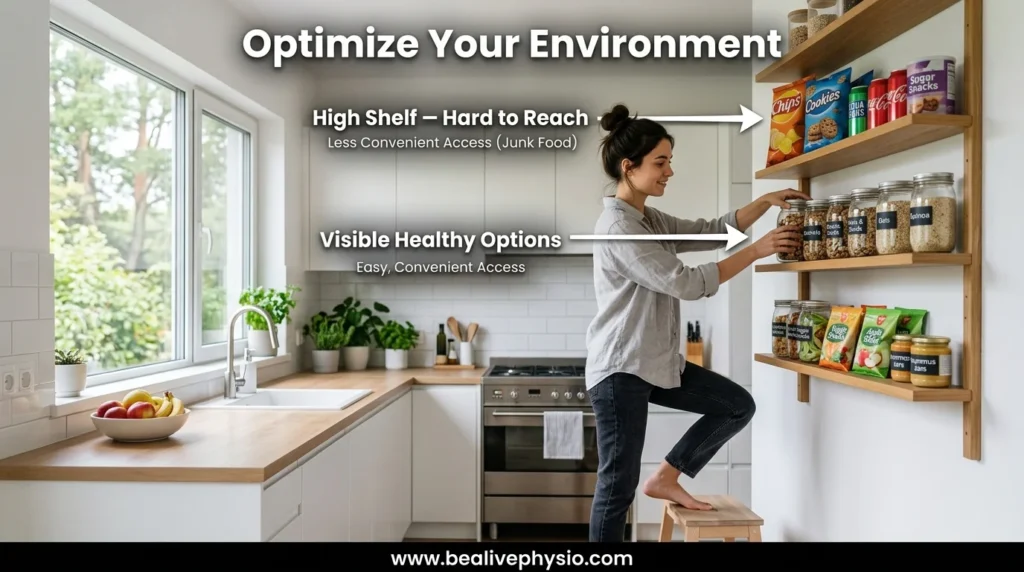
Simple fixes I’ve seen work repeatedly:
- Keep snacks in a cabinet you don’t open often.
- Place a bottle of water on your desk.
- Put fruit or high-protein snacks at eye level.
- Make your kitchen “neutral”—no open packets lying around.
A client once reduced her late-night cravings by simply keeping cut fruit on the top fridge shelf. She didn’t force herself—she made the easier choice obvious.
3. Use the 20-Second Rule (Behavior Hack)
If a food is 20 seconds harder to reach, the craving often dies down.
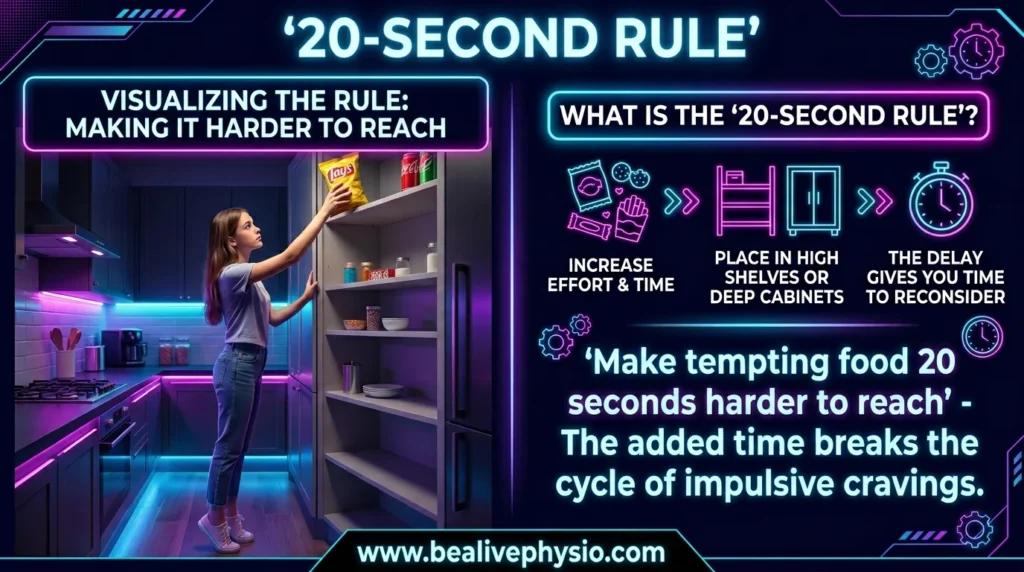
Examples:
- Put chips on a high shelf.
- Freeze sweet treats, so you don’t have to wait for thawing.
- Store junk food in the garage cabinet.
When you introduce friction, your brain loses interest.
4. Replace the Reward, Not the Food
This is the most underrated strategy.
Let’s say your craving reward is relaxation.
Instead of fighting cravings, find another fast reward.
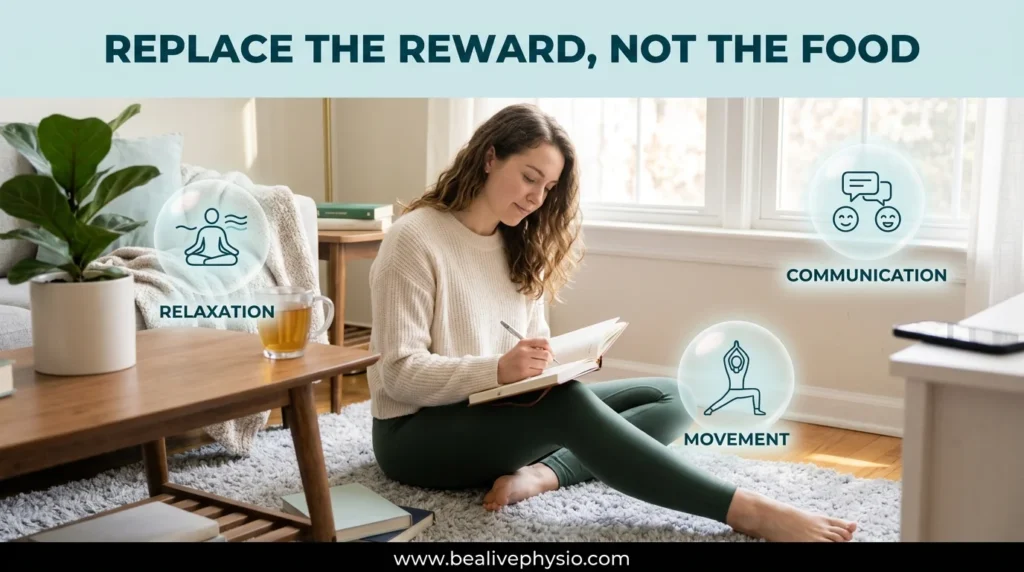
Examples I have personally tried or seen work:
| Craving Trigger | New Reward |
|---|---|
| Stress | 3-minute breathing app (Headspace), warm shower |
| Boredom | 5-minute walk, light stretching |
| Loneliness | Message a friend, voice note |
You’re not removing the reward—you’re upgrading it.
5. The 3-Minute Delay Technique
If the craving still hits, follow this rule:
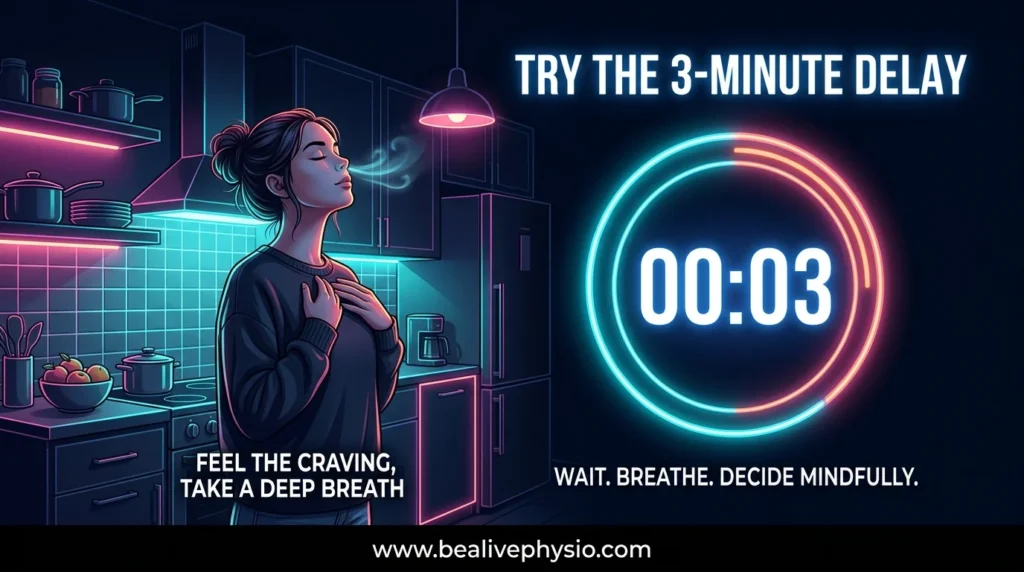
Delay for 3 minutes before deciding.
During the 3 minutes, do:
- Drink water
- Stand up
- Walk
- Do a small task
Research shows 70% of cravings drop or disappear within 3 minutes.
I’ve recommended this dozens of times. People are usually shocked by how well it works.
6. Build Consistent Eating Habits (This eliminates 50% of cravings)
When your meals are irregular, your blood sugar becomes unpredictable, and cravings spike.
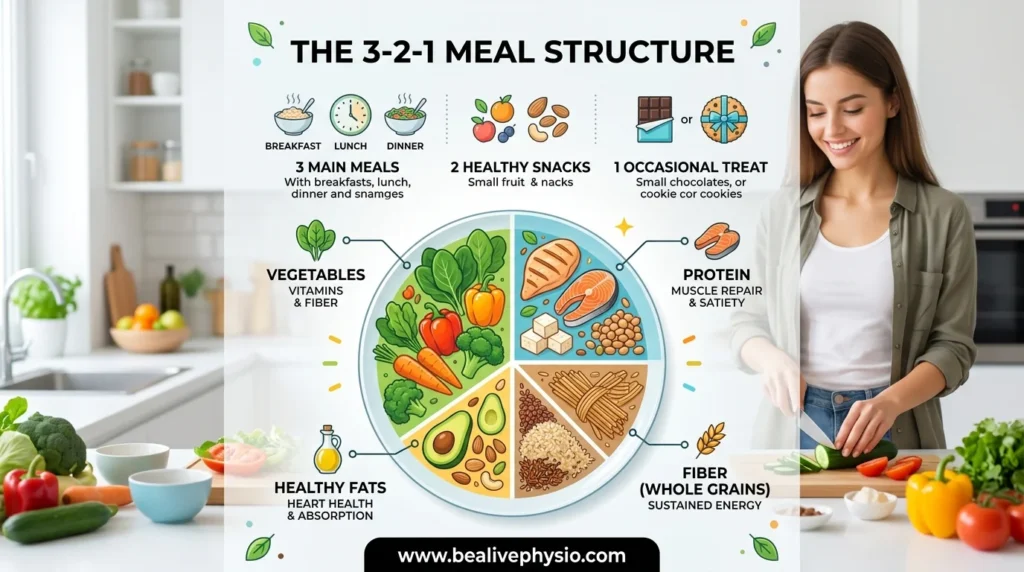
A simple structure:
- Protein + fiber breakfast
- Balanced lunch
- Light dinner
- 2 small snacks if needed
I often recommend a “3-2-1 structure”:
- 3 balanced meals
- 2 protein-based snacks
- 1 treat if you still want it
Not restrictive, not extreme—just stable.
7. Allow Treats—But With Conscious Control
If you forbid your favorite foods, cravings grow stronger.
Better approach:
- Allow the food
- Eat it slowly
- Eat it in a controlled setting
- Avoid eating while distracted
This removes the psychological charge, and the brain stops obsessing.
Example:
One of my clients allowed herself 2 chocolate squares after lunch every day. For the first week, she felt guilty, but by week three, cravings dropped drastically.
Realistic Tools That Help Reduce Cravings
Here are tools that are practical and not gimmicky:
1. Habit-tracking apps
- Habitify
- Finch
- Streaks
Use them to track craving triggers or eating consistency.
2. Smart water bottles
If dehydration triggers cravings, bottles like HidrateSpark remind you to drink.
3. Food journal apps
- Cronometer
- MyFitnessPal
- LoseIt
Not for calorie obsession—just awareness.
4. Noise-canceling headphones
Weird recommendation, right?
But many people eat due to overstimulation. Blocking noise reduces stress cravings.
Common Mistakes People Make With Cravings
Mistake 1: Skipping meals, thinking it’s discipline
It’s actually triggering binge-eating later.
Mistake 2: Starting unrealistic diets
No sugar, no carbs, no fat?
Your brain will rebel.
Mistake 3: Keeping tempting foods always visible
Out of sight = surprisingly out of mind.
Mistake 4: Believing cravings mean weakness
They mean your brain is doing exactly what it evolved to do.
Mistake 5: Trying to fix everything at once
Start with one habit per week.
Practical Habit-Building Framework (You Can Start Today)
I usually teach people a four-step framework called C.A.R.E.
C – Catch the trigger
Notice the craving moment.
A – Ask what you really need
Is it food or relief?
R – Replace the reward
Pick a quick alternative.
E – Eat mindfully if you still want it
If you choose to eat, do it with awareness—not guilt.
This approach is sustainable because it respects your brain.
Frequently Asked Questions (FAQs)
Because you’re mentally tired, dopamine is low, and sugar gives instant relief.
Rarely. In most cases, it’s psychological or emotional.
Yes. Mild dehydration often appears as hunger.
Most people see change in 2–3 weeks with consistent habits.
No. Controlled allowance reduces cravings far better than restriction.
Final Thought
Food habits are not about perfection—they’re about understanding your mind. Once you see your triggers, adjust your environment, and give your brain healthier rewards, cravings lose their power. You don’t need to fight them. You need to outsmart them.
If you start with even one strategy from this article—like the 3-minute delay or identifying your craving pattern—you’ll feel the difference within days. Consistency makes everything else easier.