
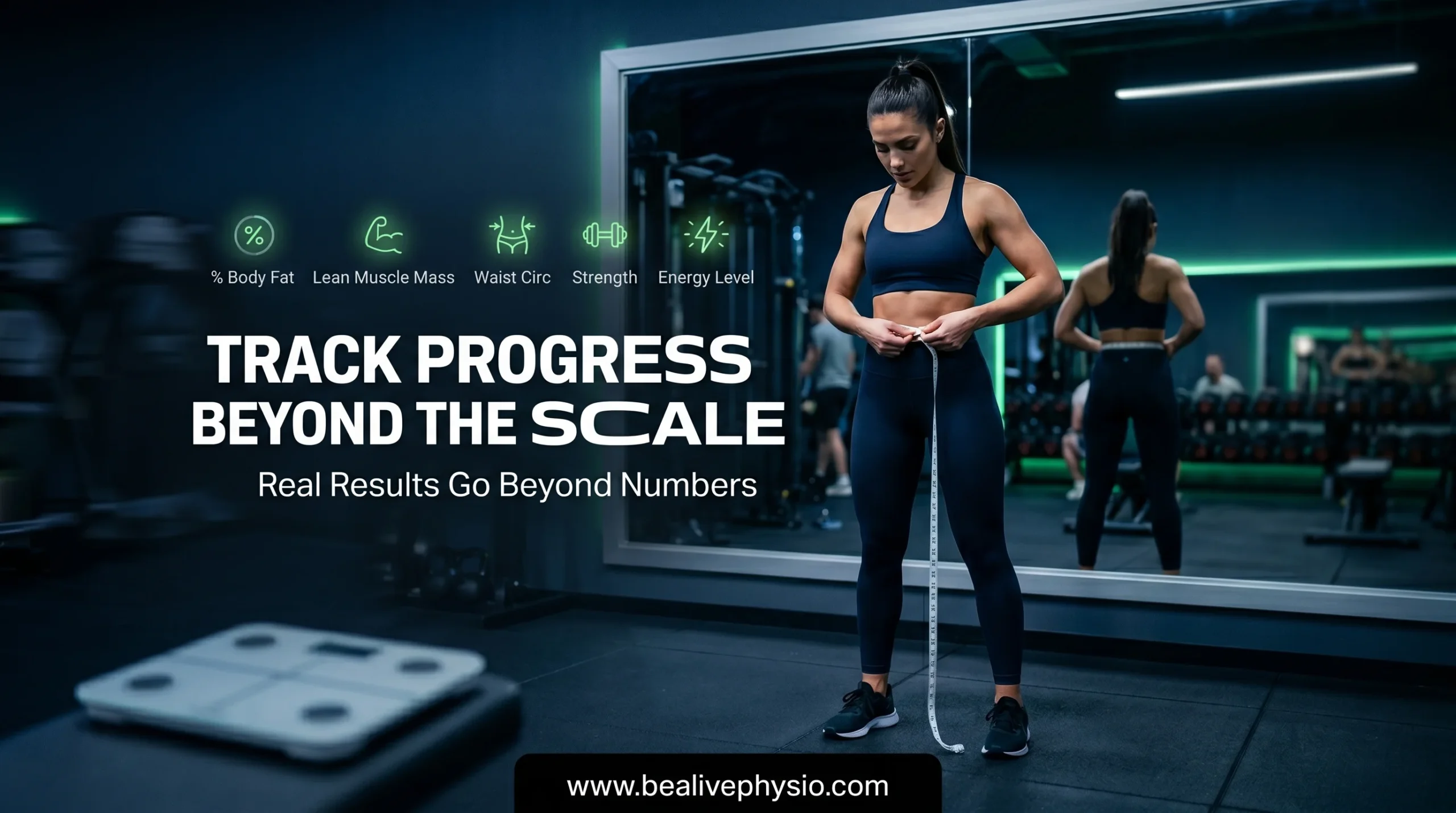
If you’ve ever stepped on a weighing scale after weeks of effort and felt disappointed, you’re not alone. I’ve been there too—training consistently, eating better, even feeling stronger—but the number barely moved. That’s when I realized something important:
The scale tells a story—but not the whole story.
This article is built from real experience, not theory. I’ll show you practical, proven ways to track your progress beyond body weight—methods I’ve used personally and with clients that give a much clearer picture of what’s actually happening.
Why the Scale Alone Can Mislead You
Before we get into better tracking methods, let’s clear this up.
Your body weight fluctuates daily due to:
- Water retention
- Salt intake
- Hormones
- Muscle gain
- Digestion
I once gained 1.5 kg in 2 days after a salty dinner and poor sleep. That wasn’t fat—it was water.
If you rely only on weight:
- You might think you’re failing when you’re not
- You might miss real fat loss progress
- You could lose motivation for no reason
That’s why serious fitness progress needs smarter tracking.
1. Progress Photos (Underrated but Powerful)
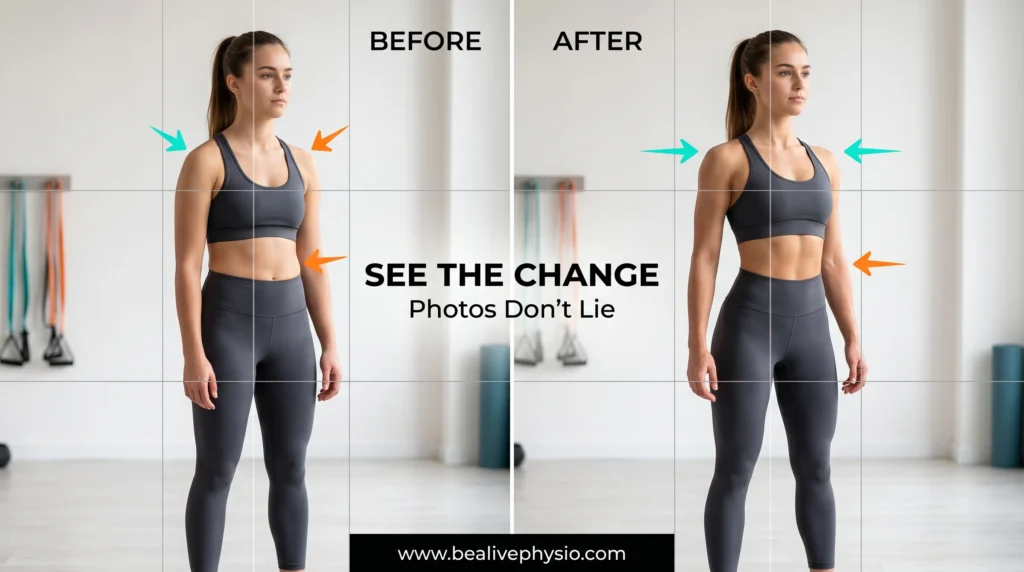
This is one of the most honest tools I’ve used.
How to do it properly:
- Take photos once every 2 weeks
- Use the same:
- Lighting
- Angle
- Time of day (morning is best)
- Wear similar clothing
What to look for:
- Waist tightening
- Shoulder definition
- Posture improvement
- Belly fat reduction
Real Example:
A client of mine didn’t lose much weight (only 2 kg in 6 weeks), but his photos showed:
- Clear fat loss around the waist
- Better posture
- Visible muscle tone
The scale didn’t show that transformation—but photos did.
2. Body Measurements (More Reliable Than Weight)
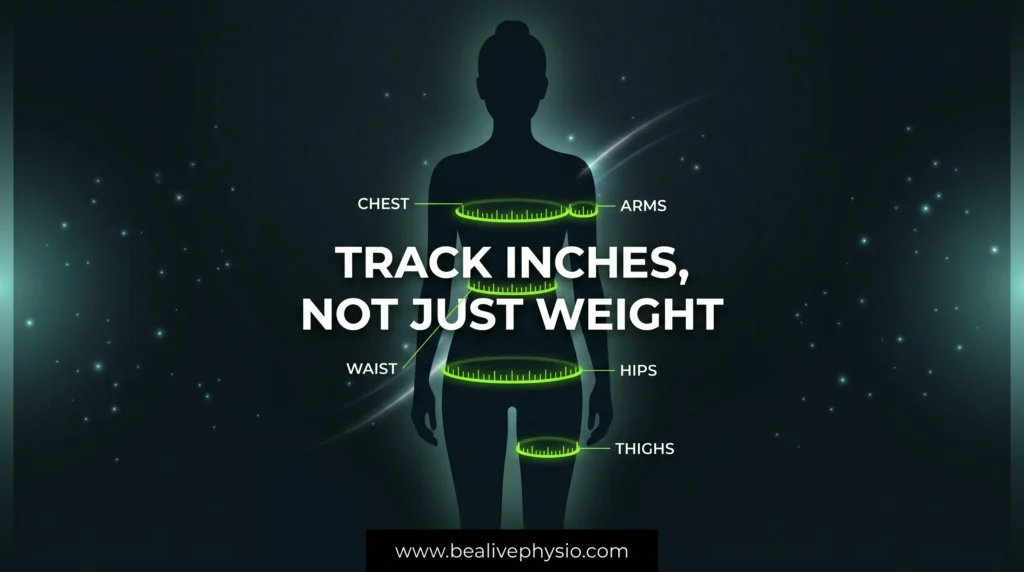
This method is simple but incredibly effective.
What you need:
- A basic measuring tape (cheap and accurate)
Key areas to track:
- Waist
- Hips
- Chest
- Arms
- Thighs
How often:
- Every 2 weeks (not daily)
Why it works:
Fat loss often shows in inches before kilograms.
Mistake I made early:
I used to measure randomly, which gave inconsistent data.
Fix: Always measure:
- Same day of the week
- Same time
- Before eating
3. Strength Progress (Your Hidden Progress Indicator)
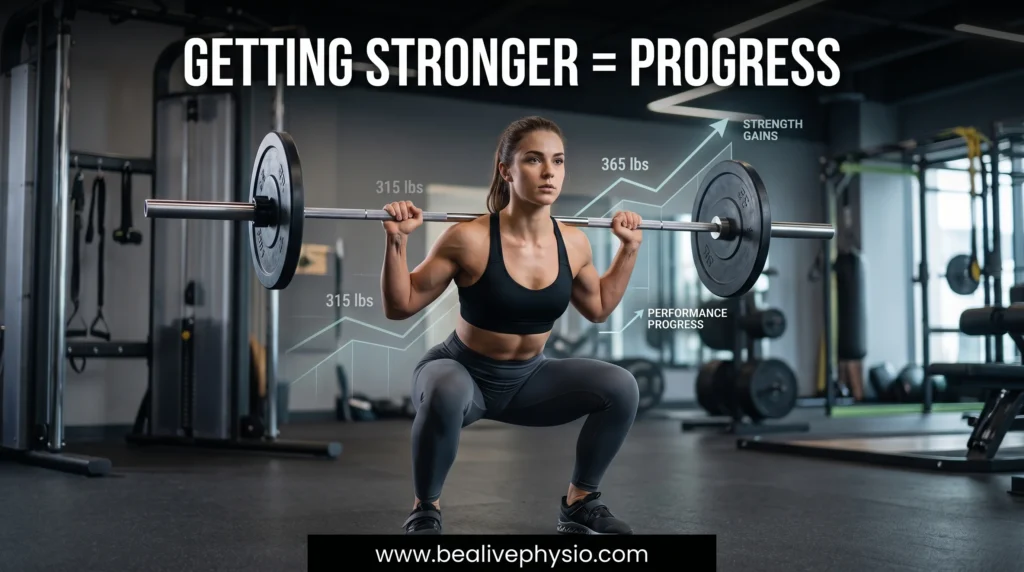
If you’re lifting weights, this is a goldmine.
Track:
- Reps
- Sets
- Weight lifted
Tools you can use:
- Strong Workout Tracker
- FitNotes
What progress looks like:
- Lifting heavier weights
- Doing more reps
- Better control and form
Real-world insight:
Even when my weight stayed the same for a month:
- My squat increased from 60kg → 85kg
- My push-ups doubled
That means muscle gain + fat loss (body recomposition).
4. How Your Clothes Fit (The Everyday Test)

This is one of the most practical and motivating signals.
Signs of progress:
- Jeans feel looser around waist
- Shirts fit better around shoulders
- Less tightness overall
Personal experience:
I had a pair of jeans I couldn’t button comfortably.
After 4 weeks:
- Still same weight
- But jeans fit perfectly
That’s real progress.
5. Energy Levels & Daily Performance
This one is often ignored but extremely important.

Track how you feel:
- Do you wake up with more energy?
- Are workouts easier?
- Less fatigue during the day?
Why it matters:
Better energy = improved health and fitness
Example:
When I improved my sleep and diet:
- My energy doubled
- Workouts felt easier
- Focus improved
Even without big weight changes, this was huge progress.
6. Body Fat Percentage (If You Want Precision)
If you want more detailed tracking, use body fat tools.
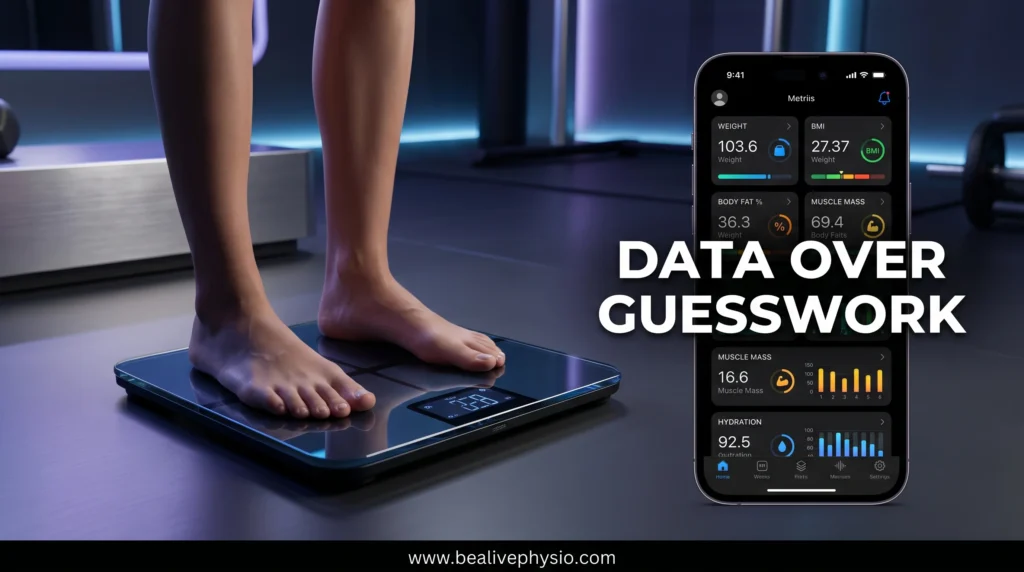
Options:
- Smart scales (not 100% accurate but useful for trends)
- Skinfold calipers
- Professional scans
Popular devices include:
- Withings Body+ Smart Scale
- RENPHO Smart Scale
Important tip:
Don’t obsess over exact numbers—focus on trends.
7. Fitness Performance Tests
Set small benchmarks every few weeks.

Examples:
- Push-ups in 1 minute
- Plank hold time
- 1 km run time
Why it works:
Performance improvements = real fitness progress
My example:
I went from:
- 30-second plank → 2-minute plank
Even before major fat loss happened.
8. Sleep Quality (Silent Progress Factor)
You can’t improve your body if your sleep is poor.

Track:
- Sleep duration
- Sleep consistency
- How rested you feel
Tools:
- Sleep Cycle
- Xiaomi Mi Band
Why it matters:
Better sleep improves:
- Fat loss
- Muscle recovery
- Hormones
9. Mood and Mental Health Changes
This is something most blogs ignore—but it matters.
Signs of improvement:
- Less stress
- Better confidence
- Improved mood
Personal insight:
After consistent workouts:
- My anxiety reduced
- I felt more confident
- My discipline improved
That’s progress you can’t measure on a scale.
Step-by-Step System to Track Everything (Simple Routine)
Here’s a system I personally follow and recommend:
Weekly:
- Weigh yourself (same day, same time)
- Log workouts
Every 2 Weeks:
- Take progress photos
- Measure body parts
Monthly:
- Review strength progress
- Check how clothes fit
- Evaluate energy, mood, sleep
Tools to organize:
- Notes app
- Google Sheets
- Fitness apps
Keep it simple. Don’t track everything daily.
Common Mistakes That Ruin Progress Tracking
1. Checking weight daily
This creates confusion, not clarity.
2. Comparing yourself to others
Your body is different.
3. Expecting fast results
Real progress takes time.
4. Ignoring non-scale victories
This is the biggest mistake.
Frequently Asked Questions (FAQs)
You’re likely losing fat and gaining muscle at the same time. This is called body recomposition.
Once or twice a week is enough. Daily tracking causes unnecessary stress.
Use a combination of:
– Photos
– Measurements
– Strength progress
Not just the scale.
They’re not perfect, but useful for tracking trends over time.
Most people notice visible changes in 4–6 weeks, but consistency is key.
Final Thoughts
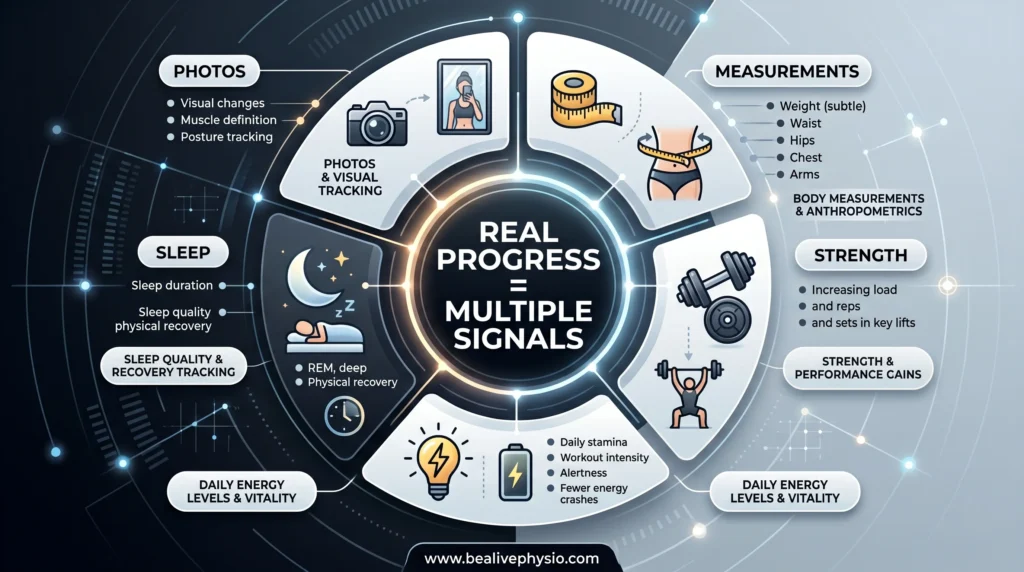
Tracking progress beyond the scale changed the way I approach fitness completely.
Instead of chasing a number, I started focusing on:
- Strength
- Energy
- Confidence
- Consistency
And ironically, that’s when real physical results started showing.
If you’re serious about improving your body, stop relying on just the scale. Use multiple signals, stay consistent, and give your body time to respond.
That’s how real progress actually works.