
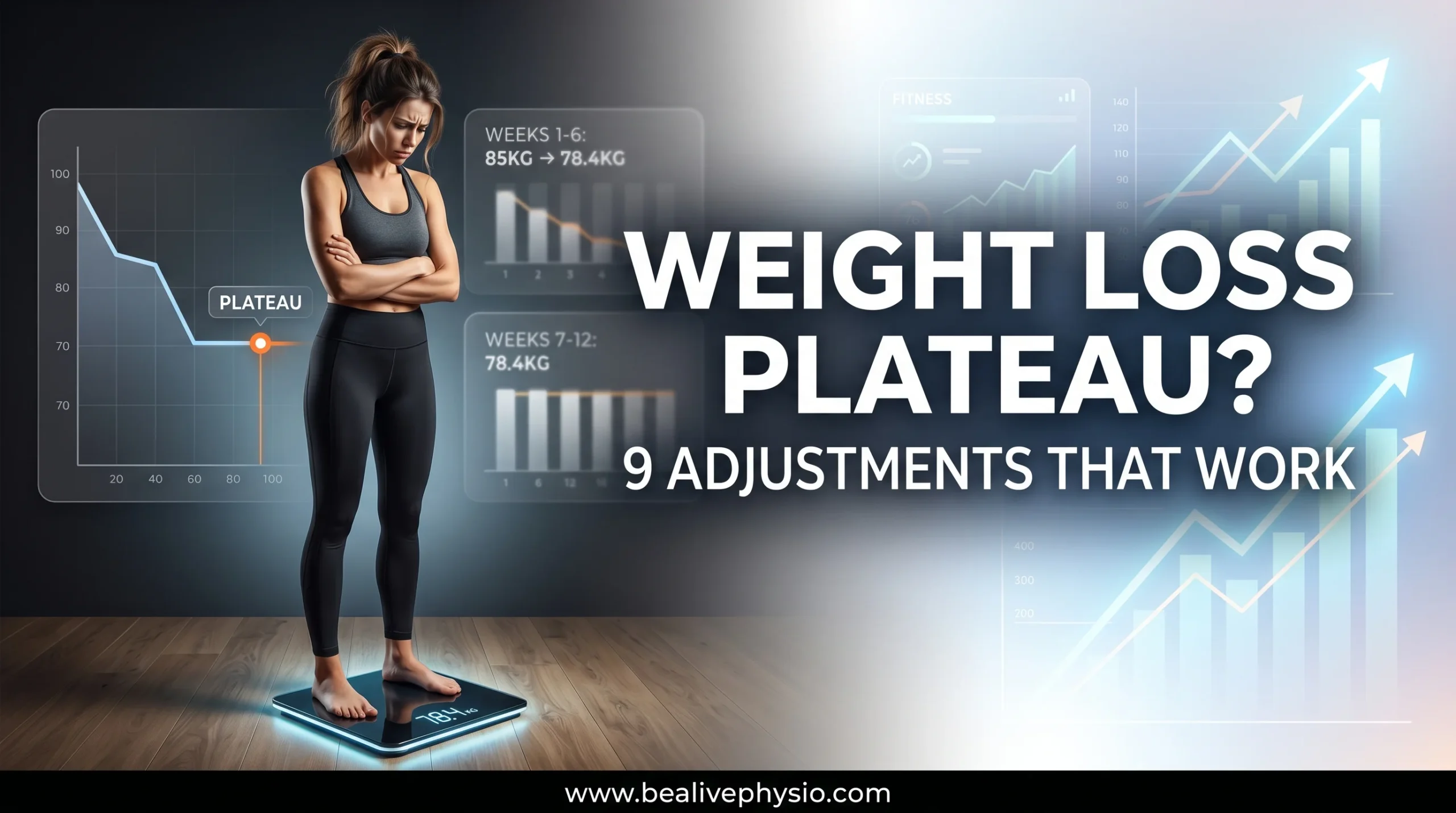
I’ve hit more weight loss plateaus than I’d like to admit. The first time it happened, I thought my scale was broken. I was eating clean, walking daily, and tracking everything—yet the number wouldn’t move for weeks.
What I didn’t realize back then is that plateaus aren’t failure. They’re your body adapting.
Once I understood that, everything changed. Instead of pushing harder blindly, I started making small, strategic adjustments—and that’s when progress resumed.
This article is not theory-heavy. These are real adjustments that have worked for me and others I’ve helped. If your weight hasn’t moved in 2–4 weeks, you’re likely in a plateau—and one of these fixes will help.
Why Weight Loss Plateaus Happen (Real Talk)
Before jumping into fixes, here’s what’s actually going on:
- Your metabolism adapts to lower calories
- You burn fewer calories as you lose weight
- Your activity becomes more efficient (burns less energy)
- Hormones (like leptin and ghrelin) shift
Translation: what worked before won’t keep working forever.
1. Recalculate Your Calories (You’re Probably Eating More Than You Think)
This was my biggest mistake.
I kept eating the same calories I started with—even after losing 6–8 kg. But a lighter body needs fewer calories.
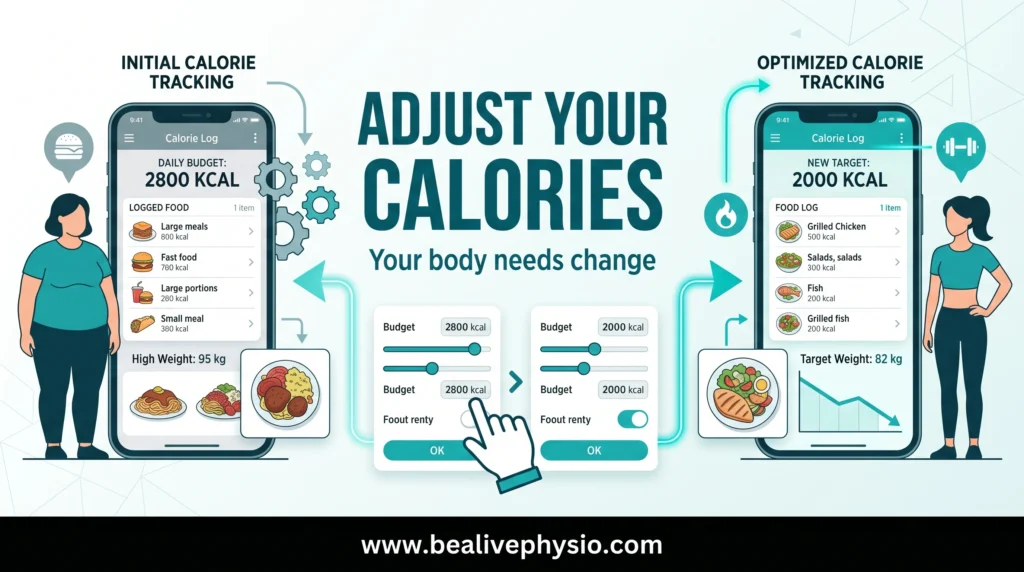
What to do:
- Use apps like MyFitnessPal or Cronometer
- Recalculate your calorie needs based on your current weight
- Aim for a small deficit (300–500 calories)
Real example:
When I dropped from 85 kg to 78 kg, I was still eating like I was 85 kg. Adjusting calories slightly restarted fat loss within 10 days.
2. Increase Protein Intake (This Is a Game-Changer)
Protein isn’t just for muscle—it helps with fat loss too.
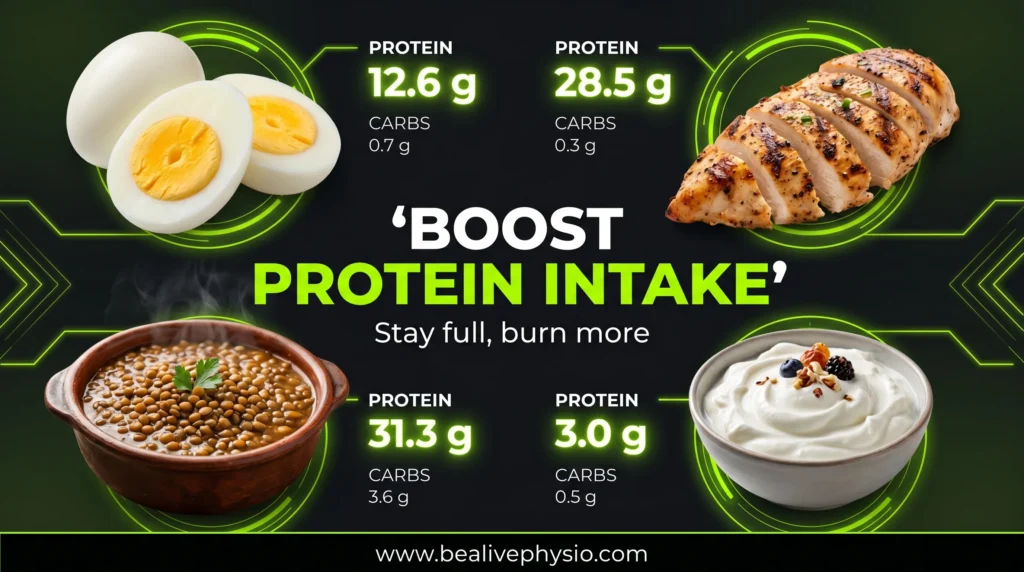
Why it works:
- Keeps you full longer
- Preserves muscle
- Burns more calories during digestion
Practical tip:
- Aim for 1.6–2.2g per kg body weight
- Easy additions:
- Eggs at breakfast
- Greek yogurt snacks
- Chicken, fish, or lentils in meals
Mistake I made:
I focused only on calories, not macros. Once I increased protein, my cravings dropped significantly.
3. Add Strength Training (Cardio Alone Isn’t Enough)
I used to think more cardio = more fat loss. Wrong.

Too much cardio can actually slow progress during a plateau.
What helped me:
Adding 3–4 days of basic strength training
Beginner-friendly routine:
- Squats (bodyweight or dumbbells)
- Push-ups
- Dumbbell rows
- Planks
Tools you can use:
- Adjustable dumbbells
- Resistance bands
- Apps like Strong or Fitbod
Result:
Within 3 weeks, not only did the weight drop, but the body shape improved noticeably.
4. Track Your NEAT (Hidden Calories Burned Daily)
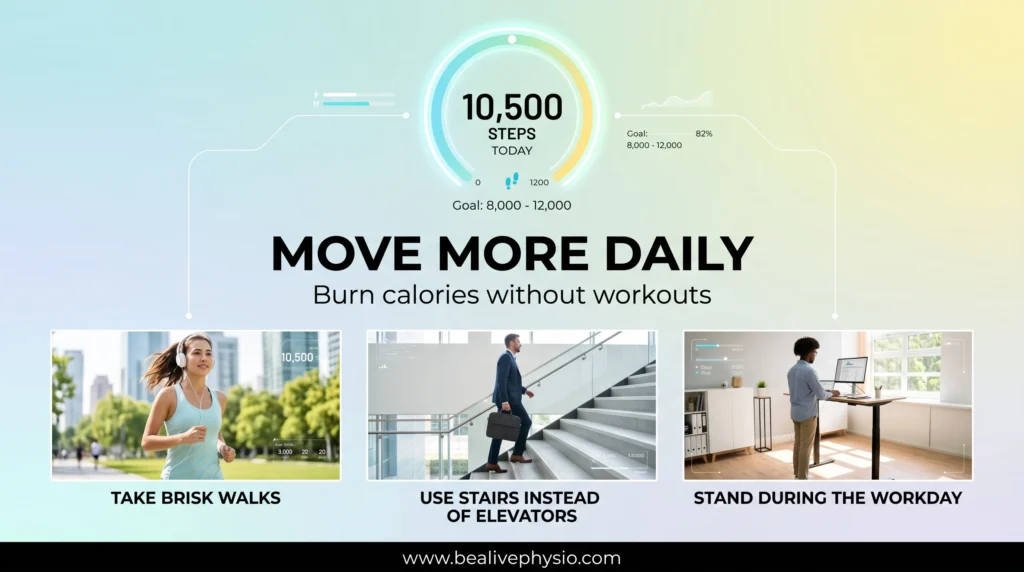
NEAT = Non-Exercise Activity Thermogenesis
Basically, everything you do outside of workouts.
Why this matters:
When dieting, people move less without realizing it.
Easy fix:
- Track steps using:
- Fitbit
- Apple Watch
- Google Fit
Target:
- 8,000–12,000 steps daily
Real-world example:
During my plateau, my steps dropped from 10k to 5k. Increasing daily movement alone helped restart progress.
5. Take a Diet Break (Yes, Eat More… Temporarily)
Sounds scary, but it works.

What is it?
- Eating at maintenance calories for 7–14 days
Why it helps:
- Resets hormones
- Reduces stress
- Improves metabolism slightly
My experience:
After 6 weeks of dieting, I took a 10-day break. I didn’t gain fat, but when I resumed, fat loss restarted quickly.
6. Fix Your Sleep (Underrated but Powerful)
If your sleep is bad, your fat loss will suffer. Period.

What happens with poor sleep:
- Increased hunger
- Lower energy
- Reduced fat burning
Practical steps:
- Aim for 7–8 hours
- Avoid screens 1 hour before bed
- Keep the room cool and dark
Tools:
- Sleep tracking apps like Sleep Cycle
- Blue light filters on devices
Personal mistake:
I ignored sleep completely. Once fixed, my late-night cravings dropped massively.
7. Reduce “Hidden Calories.”
This one hurts—but it’s real.
Even “healthy” foods can stall progress.
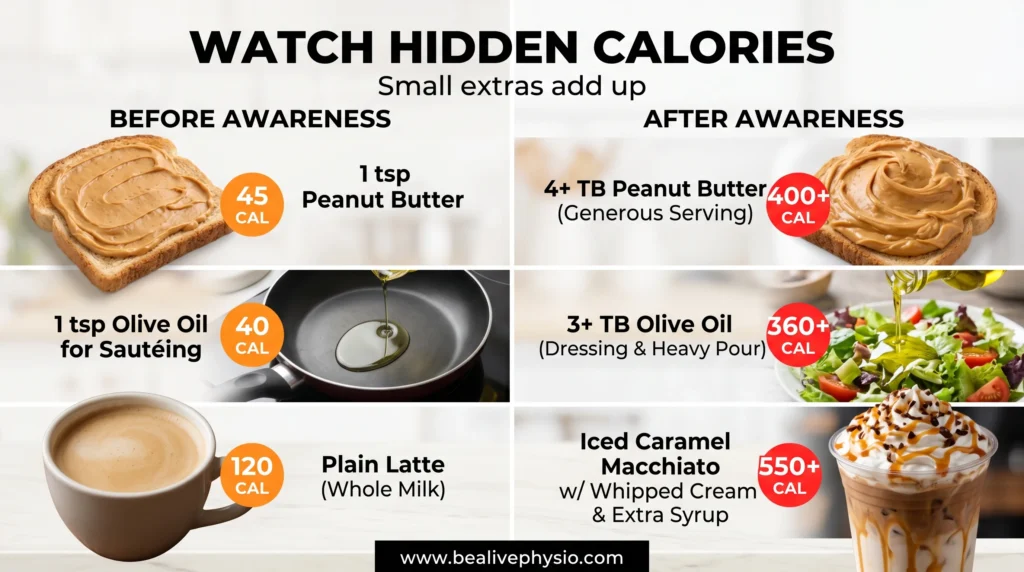
Common culprits:
- Cooking oils
- Peanut butter
- Sugary coffee drinks
- “Just a bite” snacks
Fix:
- Weigh food using a digital scale
- Log everything—even small bites
My lesson:
I was underestimating peanut butter by 200+ calories daily. That alone stalled my progress.
8. Change Workout Intensity (Not Just Duration)
Doing the same workout repeatedly = plateau.
What to adjust:
- Increase weight
- Add reps
- Reduce rest time
- Try interval training
Example:
Instead of 30 minutes walking:
- Try 20 minutes of incline walking
- Or short HIIT sessions
Tools:
- Treadmills with incline
- HIIT apps like Freeletics
9. Manage Stress Levels (The Silent Plateau Trigger)
Chronic stress raises cortisol, which can affect fat loss.

Signs stress is affecting you:
- Belly fat is not reducing
- Emotional eating
- Low energy
Practical fixes:
- 10–15 min daily walks (no phone)
- Deep breathing exercises
- Journaling
What worked for me:
Daily evening walks without distractions helped both stress and activity levels.
Step-by-Step Plateau Reset Plan (Simple & Practical)
If you’re stuck right now, do this:
Week 1:
- Recalculate calories
- Track food strictly
- Increase protein
Week 2:
- Add strength training (3x/week)
- Track steps (8k minimum)
Week 3:
- Improve sleep routine
- Adjust workout intensity
Week 4:
- If still stuck → take a diet break
This structured approach works better than random changes.
Common Mistakes That Keep You Stuck
- Eating too little for too long
- Doing only cardio
- Ignoring sleep
- Not tracking accurately
- Expecting linear progress
Fat loss isn’t a straight line. Plateaus are part of the process.
FAQs: Weight Loss Plateau Fix
Usually 2–4 weeks. If it lasts longer, something needs adjusting.
Not always. Sometimes eating more (diet break) works better.
Yes. High stress can affect hormones and eating behavior.
No, but relying only on cardio can slow progress.
Not directly. But structured diet breaks can help more effectively.
If weight hasn’t changed for 2–3 weeks despite consistency, it’s likely a plateau.
Final Thoughts
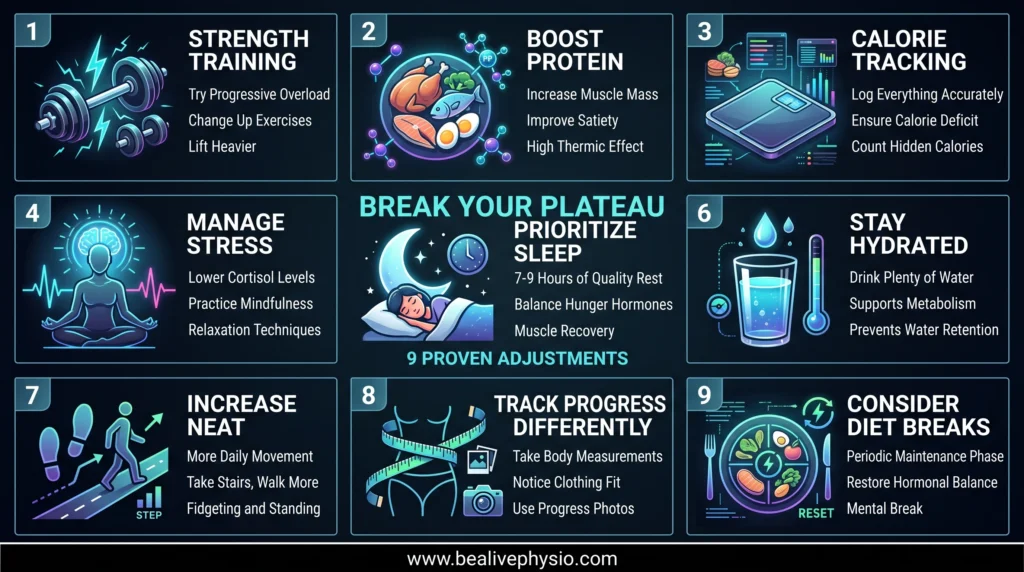
Plateaus are frustrating—but they’re also a sign you’ve made progress. Your body is adapting, not failing.
The mistake most people make is reacting emotionally—cutting calories too hard, doing excessive cardio, or giving up entirely.
The smarter approach is small, controlled adjustments.
If I had to pick just three changes that worked best for me:
- Increasing protein
- Tracking steps
- Adding strength training
Start there. Stay consistent. The scale will move again—but more importantly, your body will change sustainably.