
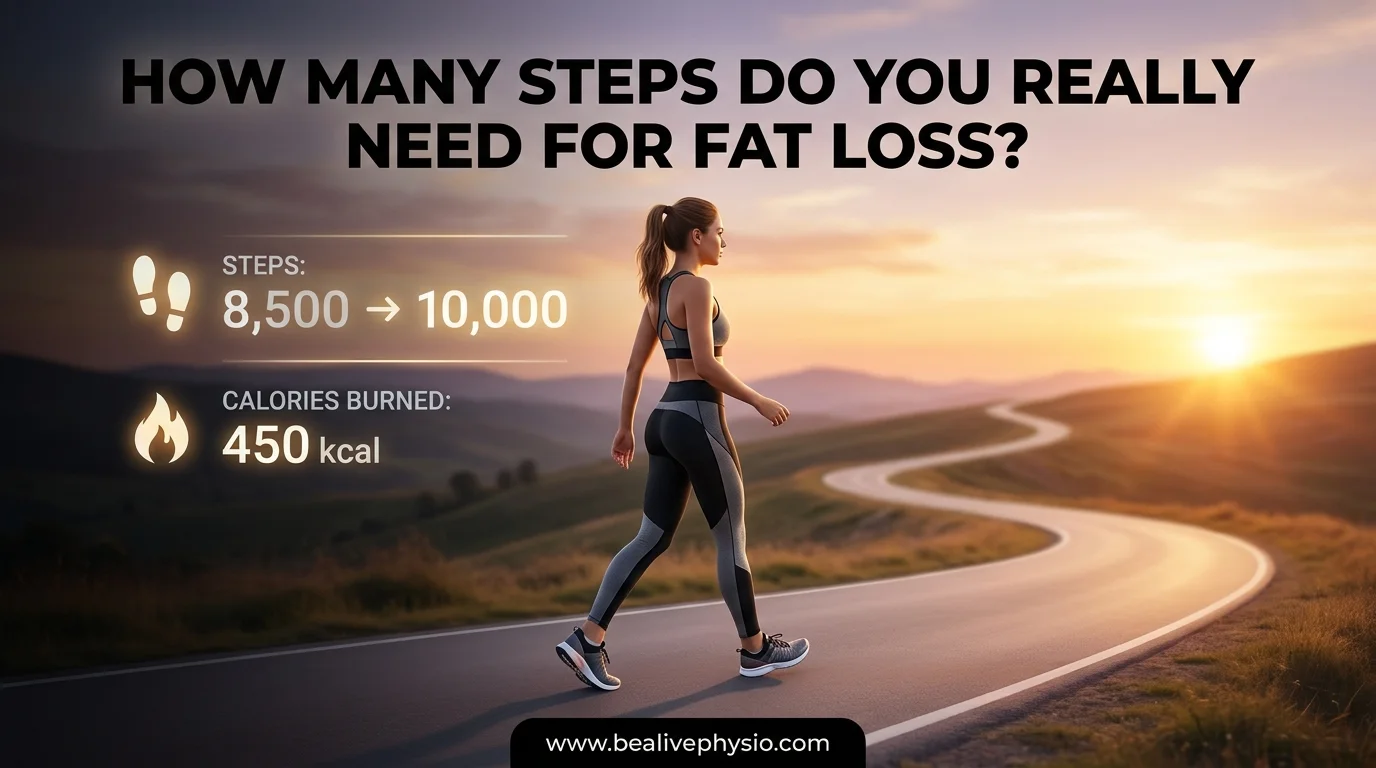
If you’ve ever tried to lose fat, you’ve probably heard the classic advice: “Just walk 10,000 steps a day.”
Sounds simple. But is it actually true?
After experimenting with different step goals myself (and helping a few friends do the same), I realized something important: fat loss from walking isn’t about hitting a magic number—it’s about consistency, intensity, and how it fits into your daily life.
Let’s break this down in a practical, real-world way.
Why Walking Works for Fat Loss (Even If It Feels “Too Easy”)
Walking doesn’t feel intense like gym workouts, and that’s exactly why it works.
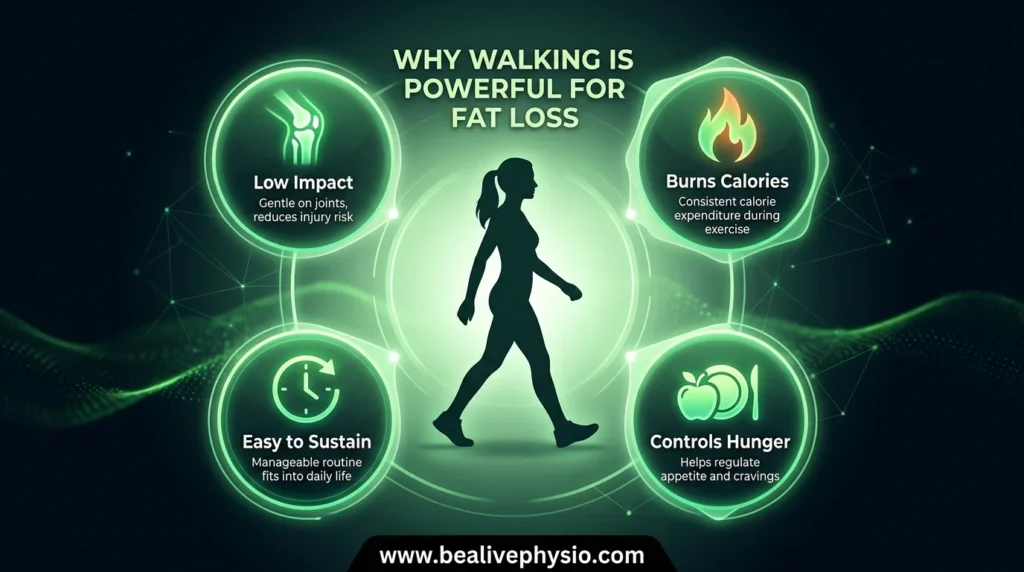
Here’s what makes it powerful:
- It’s low impact → you can do it daily without burnout
- It doesn’t spike hunger as much as intense workouts
- It burns calories steadily over time
- It’s easy to stick with long-term
I’ve personally seen better fat loss results when I focused on daily movement + consistency instead of short bursts of intense workouts I couldn’t maintain.
The Truth About the 10,000 Steps Rule
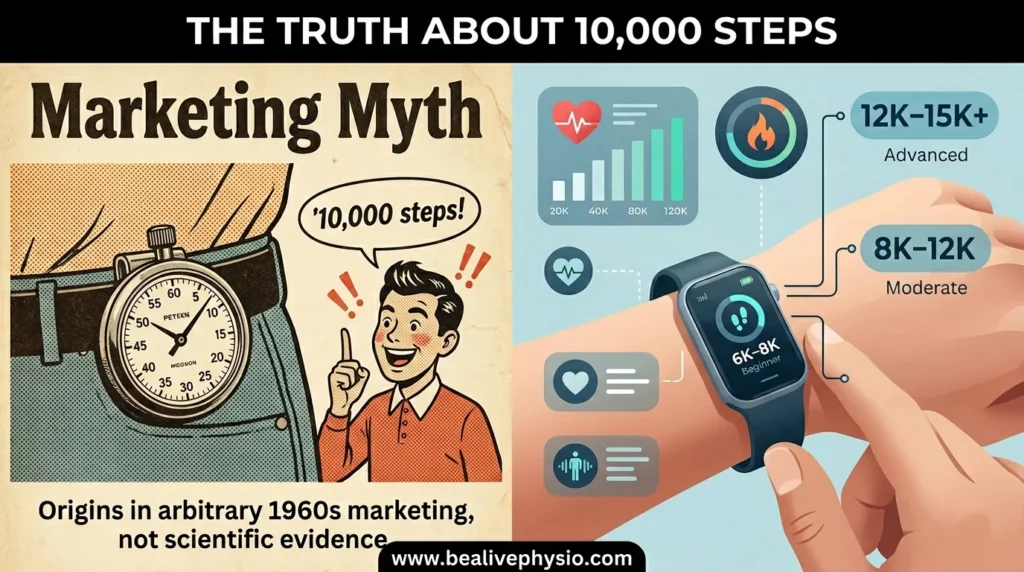
The 10,000-step target didn’t come from science—it actually started as a marketing idea from Japan decades ago.
That doesn’t mean it’s useless. It’s just… not universal.
What I’ve noticed in practice:
- Sedentary people: even 6,000–8,000 steps can trigger fat loss
- Moderately active: 8,000–12,000 steps works well
- Advanced/aggressive fat loss: 12,000–15,000+ steps
So instead of chasing a fixed number, think of steps as a range you can scale.
How Many Steps Do You Actually Need?

Let’s get practical.
1. If You’re Just Starting (Beginner Level)
If your current lifestyle looks like this:
- Desk job
- Minimal movement
- 2,000–4,000 steps daily
Then jumping to 10,000 immediately will feel overwhelming.
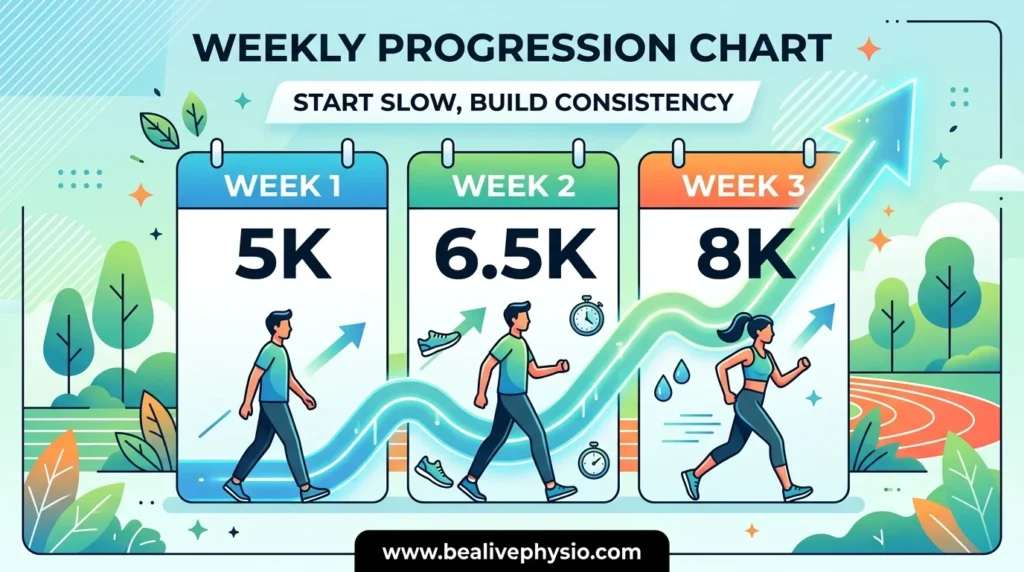
Better approach:
- Week 1: 5,000 steps
- Week 2: 6,500 steps
- Week 3: 8,000 steps
This gradual increase works far better than forcing a huge jump.
2. If You Already Walk Sometimes
Maybe you already hit around 7,000–8,000 steps.
To turn that into fat loss:
- Push to 9,000–11,000 steps
- Add one longer walk (30–45 mins) daily
This small change can create a calorie deficit without needing strict dieting.
3. If You Want Faster Fat Loss
Here’s what worked best for me during a cutting phase:
- Daily steps: 12,000–14,000
- Split into:
- Morning walk (20–30 mins)
- Evening walk (30–45 mins)
- General movement throughout the day
At this level, you’ll notice:
- Faster fat loss
- Better digestion
- Improved sleep
But only if you can sustain it.
A Simple Formula You Can Follow
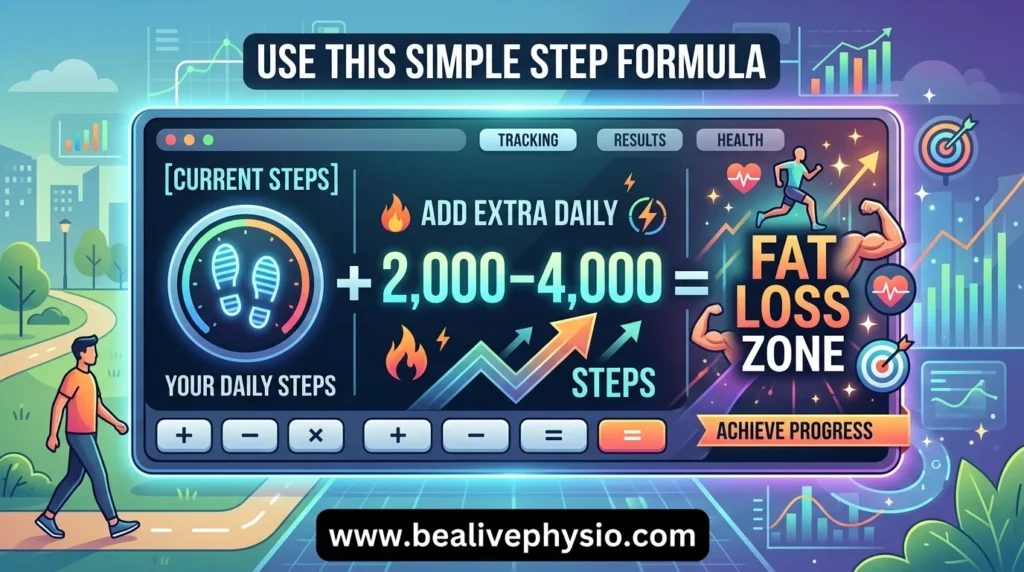
Instead of guessing, use this approach:
Step Goal = Current Average + 2,000 to 4,000 steps
Track your steps for 3 days, then increase from there.
This keeps it realistic and sustainable.
Does Walking Alone Burn Enough Fat?
Short answer: Yes—but only if you’re in a calorie deficit.
Walking helps create that deficit, but diet still matters.
Real-world example:
- 10,000 steps ≈, 300–500 calories burned (depends on weight and speed)
- If you eat 500 extra calories → no fat loss
That’s why I combine walking with:
- Slightly smaller portions
- High-protein meals
- Fewer sugary drinks
Nothing extreme—just small adjustments.
How to Walk for Maximum Fat Loss
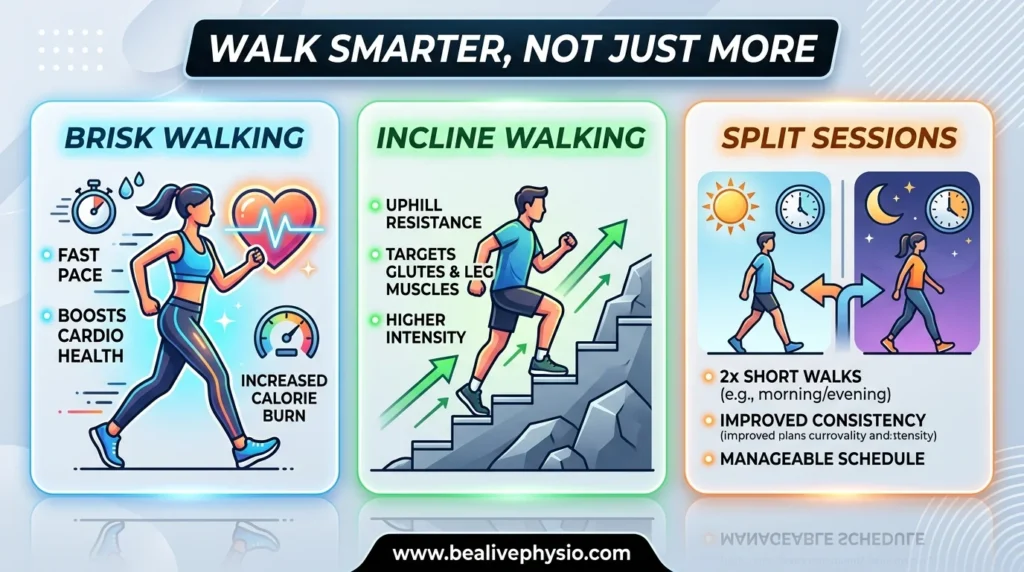
Not all steps are equal.
1. Walk Faster (But Not Exhausted)
Aim for a pace where:
- You can talk, but not sing
- Heart rate is slightly elevated
This is often called “brisk walking”.
2. Use Inclines When Possible
Walking uphill burns significantly more calories.
Simple options:
- Use stairs instead of elevators
- Walk on slight slopes
- Use a treadmill incline if available
3. Break Steps Into Sessions
Trying to do 10,000 steps at once is tough.
Instead:
- 3,000 steps morning
- 4,000 steps afternoon
- 3,000 steps evening
Much easier to manage.
4. Walk After Meals (Game Changer)
One habit that made a huge difference for me:
10–15 minute walks after meals
Benefits:
- Better digestion
- Lower blood sugar spikes
- Extra daily calorie burn
It’s simple, but surprisingly effective.
Tools That Actually Help (From Experience)
You don’t need expensive gear, but tracking helps.
Useful options:
- Smartphone step trackers (built-in apps)
- Budget fitness bands
- Smartwatches for detailed tracking
What matters most is consistency, not the device.
Common Mistakes That Slow Fat Loss
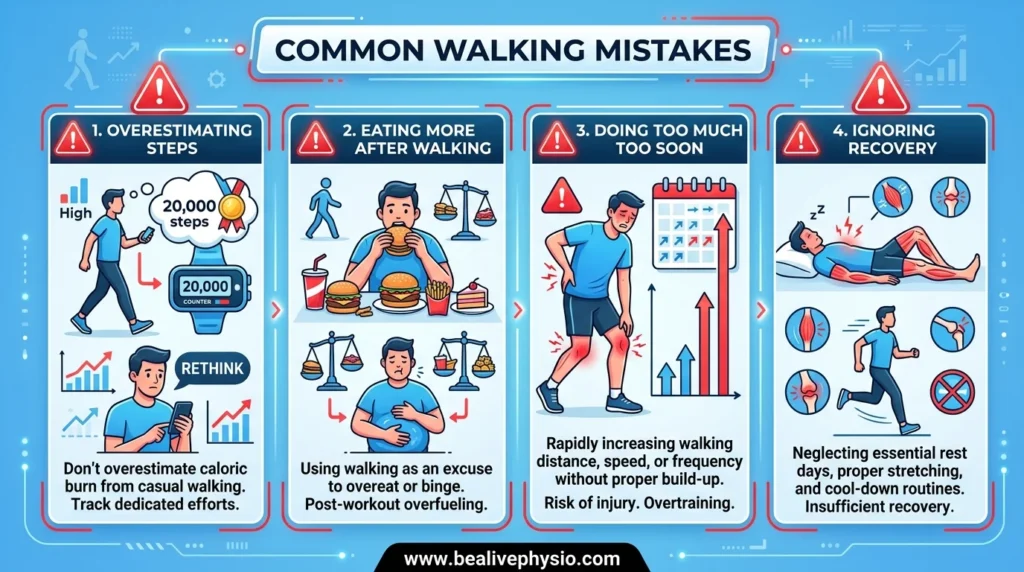
I’ve made most of these myself, so here’s what to avoid:
1. Overestimating Steps
Sometimes devices count:
- Hand movement
- Car vibrations
So don’t rely on numbers blindly—focus on real movement.
2. Eating More Because You Walked
This is the biggest trap.
“I walked 10k steps, I deserve a treat.”
That cancels your deficit quickly.
3. Going Too Hard Too Soon
Jumping from 3,000 to 15,000 steps = burnout.
Consistency beats intensity every time.
4. Ignoring Rest and Recovery
Walking is low impact, but:
- Your feet
- Knees
- Lower back
…still need recovery.
Good shoes and rest days matter.
Realistic Fat Loss Expectations
Walking isn’t magic—it’s steady.
What you can expect:
- 0.3–0.7 kg fat loss per week (with proper diet)
- Better energy levels
- Improved mood and sleep
The biggest benefit?
You can actually stick with it.
A Simple Weekly Plan (Easy to Follow)
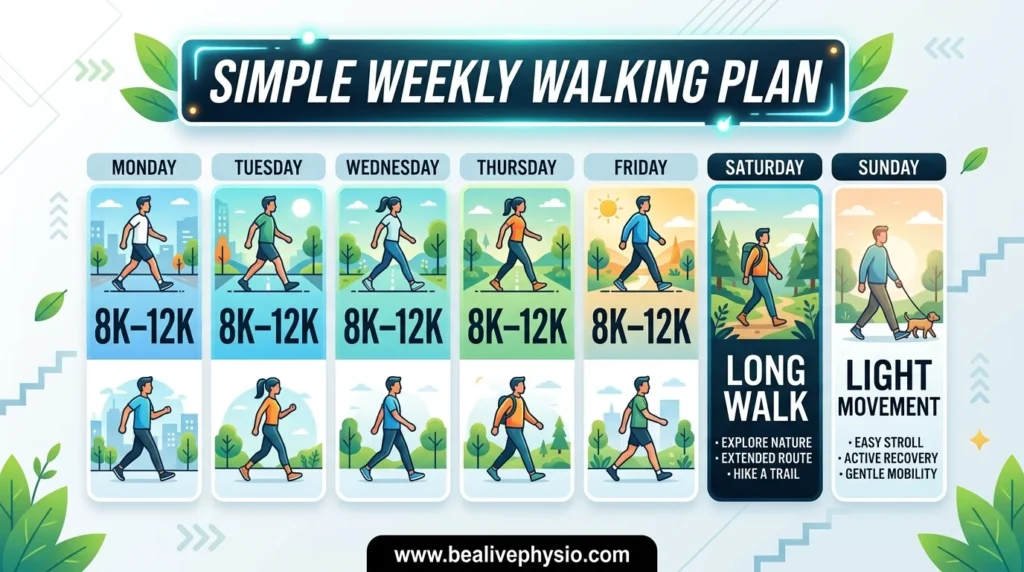
If you want something structured, try this:
Monday–Friday
- 8,000–12,000 steps daily
- 10–15 min walk after meals
Saturday
- Longer walk (60–90 minutes)
Sunday
- Light movement (5,000–7,000 steps)
This balance works well for most people.
When Walking Alone Isn’t Enough
At some point, progress slows.
That’s normal.
You can then:
- Add light strength training (2–3 times/week)
- Increase step intensity (faster pace)
- Adjust diet slightly
Walking remains your base, not your only tool.
The Mindset That Actually Works
The biggest shift for me wasn’t steps—it was thinking differently.
Instead of:
“I need to burn calories.”
Think:
“I need to move more daily.”
That mindset makes walking feel natural, not forced.
FAQs
No. Fat loss can happen with fewer steps if you’re in a calorie deficit. For many people, 7,000–9,000 steps is enough.
Walking helps reduce overall body fat, which includes belly fat. Spot reduction isn’t possible, but consistent walking contributes to fat loss everywhere.
Most people notice changes in 2–4 weeks if they stay consistent with the steps and diet.
Walking is easier to sustain and causes less fatigue. Running burns more calories per minute, but walking often wins for long-term consistency.
Any time works. However, post-meal walks are especially effective for digestion and blood sugar control.
Yes, but brisk walking burns more calories. A mix of both is fine.
Final Thoughts
You don’t need extreme workouts or complicated plans to lose fat.
Start with something simple:
- Walk more than you currently do
- Stay consistent
- Make small diet improvements
Over time, those daily steps add up—not just in numbers, but in real results you can actually maintain.