
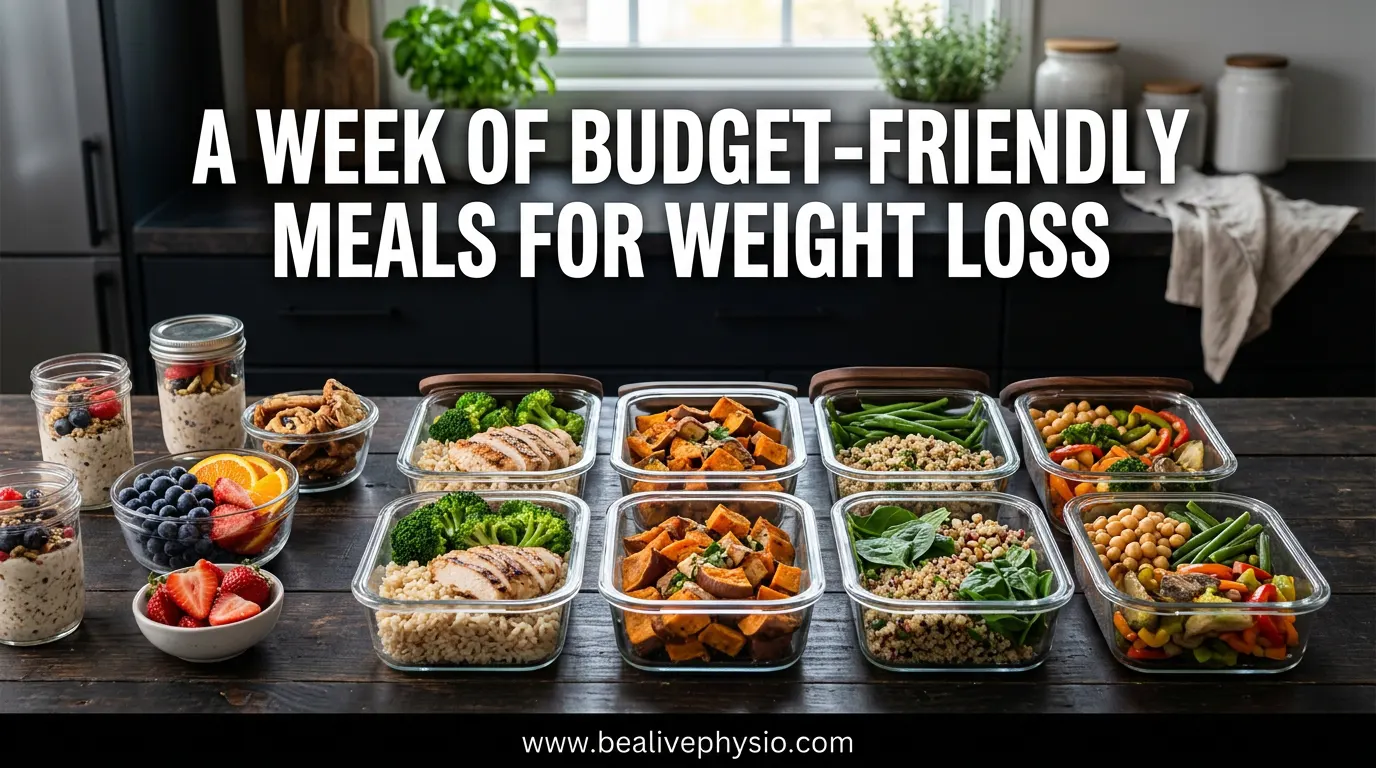
If your grocery bill feels higher than your calorie intake, you’re not alone. Losing weight while sticking to a tight budget is absolutely possible—I’ve done it myself multiple times—and it doesn’t require fancy superfoods or complicated recipes. The key is planning one full week of balanced, affordable meals using ingredients that stretch well, taste good, and keep you full. Below is a realistic 7-day meal plan anyone can follow, built from real grocery-store prices, easy cooking methods, and lessons learned from my own mistakes.
Why Budget Meal Planning Works for Weight Loss
I used to buy whatever “looked healthy” and ended up with a messy fridge, spoiled produce, and no routine. Weight loss actually got easier—not harder—once I committed to a strict weekly plan. Budget-friendly ingredients force you to keep meals simple, high in protein, and consistent.
The Three-Part Formula That Works Every Time
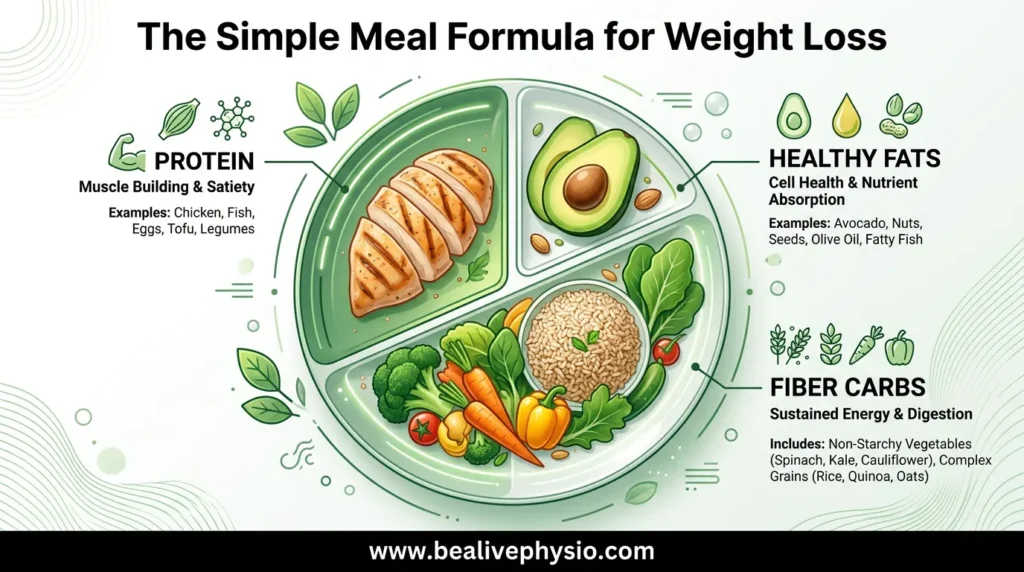
Every meal in this guide follows a pattern:
1. Affordable Lean Protein
Examples: eggs, canned tuna, chicken thighs, Greek yogurt, tofu.
These help control hunger better than carbs alone.
2. High-Fiber Carbs or Veggies
Examples: oats, brown rice, sweet potatoes, frozen veggies.
They fill your stomach without filling your calorie count.
3. Controlled Seasonings & Oils
A mistake I used to make was drowning “healthy food” in olive oil.
A tablespoon of oil is 120 calories—I learned that the hard way.
Common Budget Meal Mistakes (I’ve Made All of These)
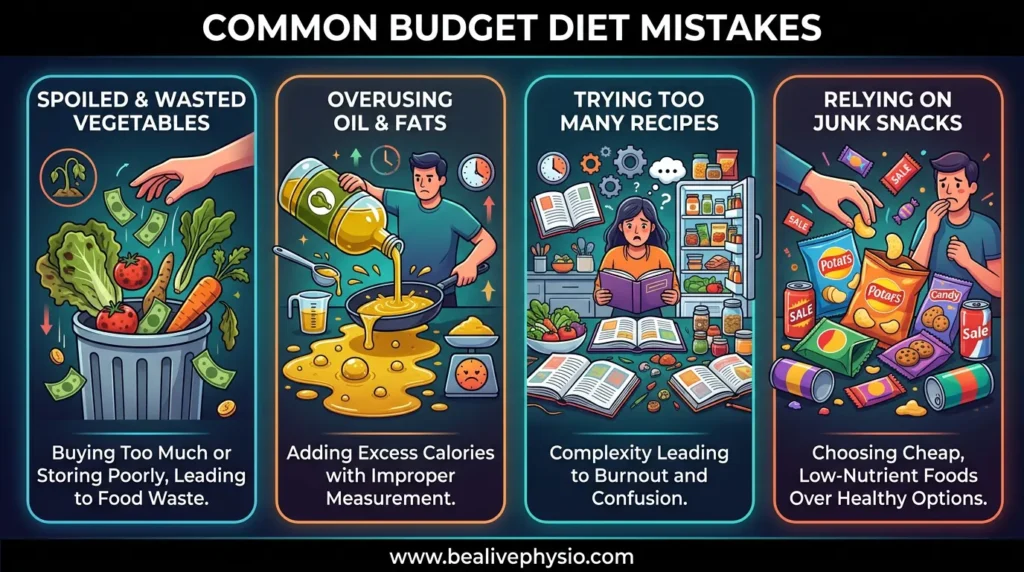
- Buying too many fresh vegetables → they spoil
- Skipping protein because it “costs more” → leads to overeating
- Trying 12 new recipes at once → impossible to maintain
- Using only boneless chicken breast → thighs or drumsticks cost 30–40% less
The goal isn’t to eat “perfectly”—it’s to stay consistent.
Grocery List for the Entire Week (Affordable Essentials)
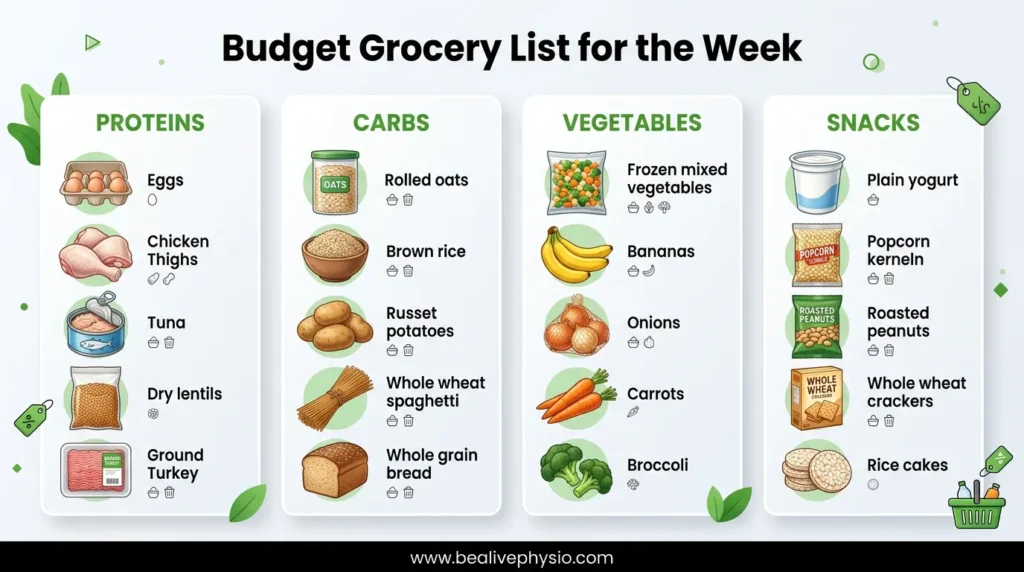
This list is based on common U.S. supermarket pricing at Walmart, Aldi, and Costco (average, not exact).
Proteins
- Eggs (18-pack)
- Canned tuna (4 cans)
- Chicken thighs (2–3 lbs)
- Greek yogurt (plain, 32 oz)
- Black beans or chickpeas (canned or dry)
Carbs & Whole Grains
- Oats
- Brown rice (2–3 lb bag)
- Whole wheat tortillas
- Sweet potatoes (3–4 medium)
Vegetables & Fruits
- Frozen mixed vegetables
- Frozen spinach
- Lettuce or mixed greens
- Apples (bag)
- Bananas
- Onions
- Garlic
Flavor, Extras & Budget-Friendly Snacks
- Salsa
- Peanut butter
- Seasonings (chili powder, salt, pepper, paprika)
- Greek yogurt cups (for snacks)
- Popcorn kernels
- Tea or instant coffee (optional but helps reduce snacking)
Most people can buy all of this for $40–60 a week depending on location.
Full 7-Day Balanced Meal Plan (Realistic & Filling)
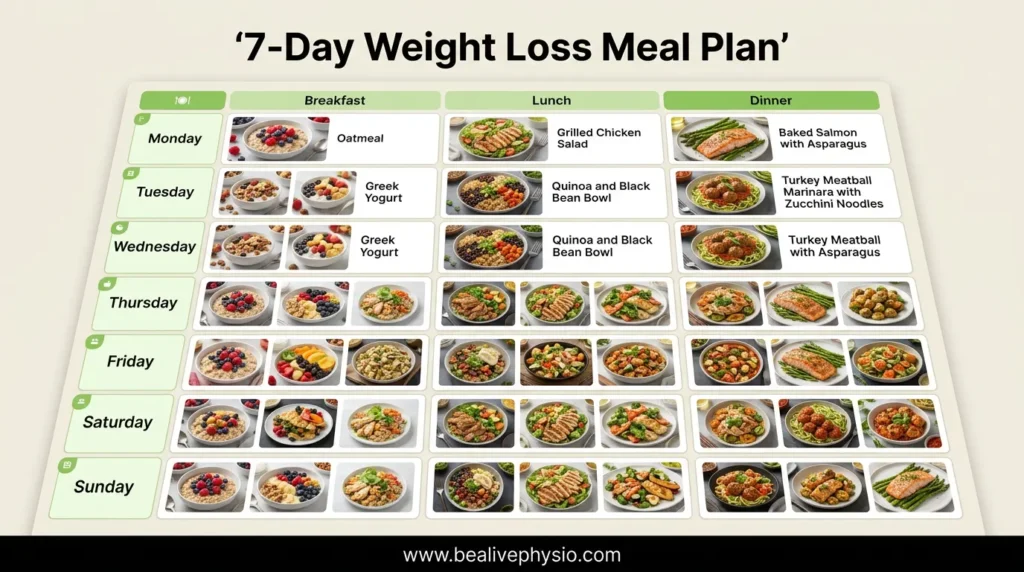
Each day stays around 1400–1700 calories, depending on portion size.
Adjust portions if you need more or less energy.
Day 1
Breakfast
- Overnight oats with yogurt, banana slices, and cinnamon
- Tip: Prep 3 jars at once so you don’t sabotage Day 2.
Lunch
- Tuna wrap with lettuce, salsa, and a squeeze of lemon
- Side: Apple
Dinner
- Chicken thighs roasted with garlic and onions
- Steam-in-bag mixed vegetables
- ½ cup brown rice
Snack
Air-popped popcorn (1 cup)
Day 2
Breakfast
- Scrambled eggs with spinach (frozen is fine)
- Whole wheat tortilla
Lunch
- Leftover chicken + rice bowl
- Add salsa or hot sauce for flavor
Dinner
- Chickpea curry
- Made with canned chickpeas, onions, garlic, and frozen spinach
Snack
Greek yogurt cup
Day 3
Breakfast
- Oatmeal with peanut butter and sliced apple
Lunch
- Tuna rice bowl
- Mix tuna + rice + seasonings + veggies
Dinner
- Chicken thigh stir-fry with frozen veggies
- 1 sweet potato (microwave-cooked, 5–7 min)
Snack
- Banana
Day 4
Breakfast
- Greek yogurt + oats + chopped banana (no cooking required)
Lunch
- Chickpea salad wrap
- (Chickpeas + lettuce + lemon + pepper)
Dinner
- Baked chicken with roasted sweet potatoes
- Frozen green beans (pan-fried with garlic)
Snack
- Popcorn
Day 5
Breakfast
- Eggs + 1 sweet potato hash (diced, pan-fried)
Lunch
- Chicken stir-fry leftovers
Dinner
- Tuna patties (tuna + egg + breadcrumbs/oats)
- Side: Brown rice + veggies
Snack
- Apple with peanut butter
Day 6
Breakfast
- Peanut butter oatmeal
Lunch
- Yogurt bowl with oats + fruit
- (Yes, a lighter lunch—but it balances a bigger dinner.)
Dinner
- Vegetable + chickpea skillet
- Serve with small tortilla or rice
Snack
- Greek yogurt
Day 7
Breakfast
- Scrambled eggs + leftover veggies
Lunch
- Tuna wrap or chickpea wrap (whatever is left)
Dinner
- Chicken thigh rice bowl (finish leftovers)
- Add salsa to keep it interesting
Snack
Fruit of choice
Step-by-Step Meal Prep Guide (2 Hours Max)
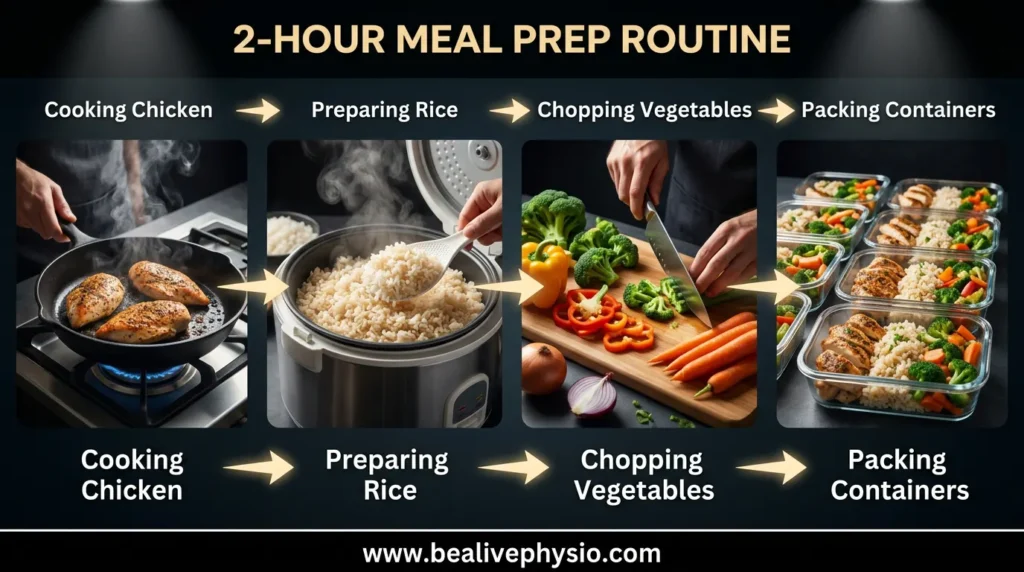
This is the exact workflow I use on Sundays:
Step 1 — Cook All Proteins (30 minutes)
- Roast chicken thighs on one sheet pan
- Boil 2–3 eggs
- Make tuna salad mix (tuna + Greek yogurt + lemon + spices)
Step 2 — Prepare Carbs (20–25 minutes)
- Cook 3 cups dry brown rice in a rice cooker
- Microwave 2–3 sweet potatoes
Step 3 — Chop & Store Veggies (10–15 minutes)
- Dice onions and garlic
- Rinse lettuce
- Split fruit into grab-and-go portions
Step 4 — Assemble Quick Meals (20 minutes)
- 2–3 tuna wraps
- 2 chicken + rice bowls
- Overnight oats (3 jars)
This meal prep style prevents last-minute takeout orders—my personal money-wasting weakness before I structured my weekends this way.
How to Keep Costs Low Without Sacrificing Nutrition

1. Use Frozen Veggies
Nutrition is almost identical to fresh, and they last weeks.
2. Buy Bone-In Chicken Thighs
They’re juicy, cheap, and harder to overcook than chicken breast.
3. Make Rice & Oats Your Base
They cost pennies per serving and keep hunger stable.
4. Avoid Buying “Health” Snacks
Protein bars, kombucha, and “low-carb” chips burn your budget fast.
5. Repurpose Leftovers Creatively
Chickpea curry becomes chickpea wraps.
Roast chicken becomes stir-fry.
Nothing goes to waste.
Tools & Apps That Make This Easier
These are tools I personally rely on:
- Google Keep → grocery list
- Lose It! or Cronometer → calorie tracking
- Airtight containers → prevents soggy leftovers
- Rice cooker → saves time
- Air fryer → reheats chicken perfectly
You don’t need fancy kitchen gear. A cheap nonstick pan and a rice cooker already put you ahead.
Final Thought

Losing weight on a tight budget isn’t about depriving yourself—it’s about simplifying your choices, buying the right staples, and building meals that actually keep you full. Once I learned to cook once and eat smart all week, weight loss stopped feeling like a chore. Try this plan for one week and adjust it to your taste, your lifestyle, and your finances. You might be surprised how much easier healthy eating becomes when your meals are already planned and ready.